





1. 서 론
1.1 연구배경 및 필요성
기후변화 대응과 탄소중립 실현을 위한 재생에너지 확대는 전 세계적인 정책 목표로 자리 잡고 있다. 2019년 기준 전 세계 166개국이 전력 부문 재생에너지 목표를 설정하였고, 143개국이 이를 달성하기 위한 정책을 시행하고 있다. 특히 전력 부문은 전체 에너지 소비 중 비중이 지속적으로 증가하고 있어, 안정적이고 지속 가능한 재생에너지원 확보의 중요성이 더욱 부각되고 있다. 이에 따라 주요 글로벌 기업들은 RE100 캠페인 참여를 확대하며 재생에너지 기반 전력 조달을 적극 추진하고 있다. 이러한 흐름 속에서 해양에너지는 새로운 대체 재생에너지원으로 주목받고 있다. 해양에는 조력, 조류, 파력, 해수온도차 등 다양한 에너지원이 존재하며, 이들의 연간 부존 잠재량은 약 93,100 TWh로 2013년 기준 전 세계 전력 생산량의 약 4배에 달하는 것으로 보고되고 있다. 국내의 경우에 시화호 조력발전소를 중심으로 조력발전은 상용화 단계에 진입하였으나, 파력 및 조류발전은 여전히 실증 및 초기 기술개발 단계에 머물러 있다. 정부는 ‘제4차 신재생에너지 기본계획’을 통해 2025년까지 해양에너지 비중을 1.6%로 확대하고, 총 835 MW 규모의 발전설비 구축을 추진하고 있어 해양에너지 기술의 상용화 가능성에 대한 체계적인 검토가 요구되는 시점이다.
한편 재생에너지의 실질적인 활용 가능성은 발전원별 경제성 특성에 크게 좌우된다. 태양광과 풍력은 발전단가(Levelized Cost of Energy, LCOE)가 지속적으로 하락하고 있으나, 국내 기준 설비 이용률(capacity factor)은 태양광 약 15~20%, 풍력 약 25~30% 수준으로 상대적으로 낮으며, 출력 변동성이 커 대규모 에너지저장장치(ESS) 또는 계통 보강이 필수적이다. 특히 도서지역과 같이 계통 연계가 어려운 지역에서는 여전히 디젤 발전이 주요 전력원으로 활용되고 있는데, 이 경우에 연료비 변동성과 수송 비용, 탄소배출 비용으로 인해 발전단가는 300~400원/kWh 이상으로 매우 높은 수준을 보인다. 이에 비해 파력에너지는 해상에서 비교적 안정적인 에너지 밀도를 가지며, 계절별 변동성은 존재하지만 태양광·풍력 대비 출력 예측성이 우수한 장점을 가진다. 적절한 에너지저장시스템과 결합할 경우에 중·장기적으로 40~80% 수준의 설비 이용률 운전이 가능하다는 점에서 파력발전은 도서 지역 및 해양 분산전원으로서 잠재력이 크다. 그러나 파력발전은 초기 투자비가 크고 상용화 사례가 제한적이어서 타 재생에너지원과의 정량적 경제성 비교를 통해 기술적 가능성뿐만 아니라 경제적 실현 가능성을 검증하는 연구가 필수적이다.
특히 기존 파력발전 연구는 발전 효율 향상, 부유체 및 계류 시스템 안정성 확보 등 기술적 실증에 집중되어 왔으며, 경제성 지표(B/C, NPV, IRR)와 사업화 구조를 통합적으로 분석한 연구는 제한적인 실정이다. 또한 대부분의 연구에서 에너지저장시스템은 신품 배터리를 전제로 하고 있어 최근 급증하고 있는 전기차 사용후 배터리(폐배터리)를 활용한 자원 순환형 ESS 연계에 따른 비용 절감 효과와 사업성 개선 가능성은 충분히 검토되지 않았다. 이러한 배경에서 본 연구는 이동식 파력발전 시스템에 전기차 사용후 배터리 기반 ESS를 결합함으로써 해양공간 활용과 자원순환을 동시에 달성할 수 있는 새로운 대안을 제시하고자 한다. 더 나아가 단순한 기술 개발 수준을 넘어 설비 이용률, 발전단가, 초기 투자비, 정책·시장 변수(SMP, REC 등)를 반영한 기술경제성 분석과 사업화 타당성 평가를 수행함으로써 파력발전을 타 재생에너지원과 비교 가능한 경제성 관점에서 검증하는 것이 본 연구의 핵심 목표이다.
1.2 연구목적
본 연구는 전 세계적인 에너지 전환과 탄소중립 달성이라는 시대적 요구에 대응하여 해양에너지 중에서도 상대적으로 상용화가 지연되어 온 파력발전 기술의 실질적인 적용 가능성을 기술경제성 관점에서 검증하는 것을 주된 목표로 한다.
기존 파력발전 연구는 장치 성능 및 실증 중심으로 축적되어 왔으나, 이동식 파력발전과 폐배터리 ESS의 통합 시스템을 대상으로 ‘정량적 기술경제성 지표(B/C, NPV, IRR)와 사업화 구조’를 함께 제시한 연구는 제한적이다. 이에 본 연구는 기술 설계 결과를 기반으로 경제성 및 사업화 타당성을 재현 가능한 가정 하에서 제시하는 데 목적이 있다. 아울러, 태양광과 풍력을 중심으로 한 육상 재생에너지 확대 과정에서 발생하는 입지 제약과 출력 변동성 문제를 보완할 수 있는 대안으로서 해양에너지의 전략적 가치를 재조명하고, 그중에서도 이동식 구조를 적용한 파력발전 시스템이 갖는 기술적·경제적 잠재력을 정량적으로 제시하는 것을 중요한 목표로 설정하였다. 특히 극한 해양환경에서의 생존성과 유지관리 효율성 문제는 파력발전 상용화의 핵심 장애 요인으로 지적되어 왔으며, 본 연구는 이러한 문제를 이동식 부유체 및 분리·재결합 가능한 계류 개념을 통해 해결할 수 있는지를 검토하였다.
또한 전기차 보급 확대에 따라 대량 발생이 예상되는 사용 후 배터리의 재활용·재사용 문제를 파력발전 시스템과 연계함으로써 재생에너지 출력 변동성 완화와 자원순환이라는 두 가지 사회적 요구를 동시에 충족할 수 있는 가능성을 탐색한다. 특히 폐배터리를 팩 단위로 재가공 없이 적용하는 에너지저장장치(ESS) 구조를 대상으로, 기존 신품 ESS 대비 비용 절감 효과와 시스템 운용 측면에서의 실효성을 경제성 분석에 반영하고자 한다.
이를 위해 본 연구에서는 이동식 파력발전–폐배터리 ESS 통합 시스템을 대상으로 다음과 같은 연구목표를 설정하였다.
첫째, 이동식 부유체 기반 파력발전 시스템의 구조적 개념과 해석 프레임워크를 정립하고, 부유체-계류-PTO(Power Take-Off) 연성 해석을 통해 파력발전 시스템의 기술적 거동과 극한 해양환경에서의 안정성을 평가한다. 이를 통해 이동식 구조 적용이 기존 고정식 또는 반고정식 시스템 대비 기술적 장점과 한계를 분석한다.
둘째, 전기차 사용후 배터리를 활용한 ESS 연계 구조를 대상으로 파력발전 출력 변동성 완화 효과와 시스템 운용 안정성을 검토하고, 폐배터리 적용에 따른 기술적 제약과 경제적 이점을 종합적으로 분석한다. 이를 통해 폐배터리 기반 ESS가 파력발전 시스템의 상용화에 기여할 수 있는 역할을 정량적으로 제시한다.
셋째, 10 MW급 이동식 파력발전-ESS 통합 시스템을 상용 분석 대상으로 설정하고, 설치비(CAPEX), 운영·유지관리비(OPEX), 설비 이용률, 전력 판매 수익(SMP 및 REC)을 고려한 기술경제성 분석을 수행함으로써 제안된 시스템의 상용화 가능성을 정량적으로 검증한다.
넷째, 설비 이용률, 전력 판매 단가, 초기 투자비 등 주요 경제성 변수에 대한 민감도 분석을 수행하여 사업 환경 변화에 따른 경제성 변동성과 투자 리스크를 평가하고, 파력발전 사업의 안정적인 추진을 위한 조건을 도출한다.
마지막으로, 발전사, 항만공사, 조선소, 지역사회가 참여하는 특수목적법인(SPC) 기반 사업화 모델을 제안하고, 이동식 파력발전-폐배터리 ESS 통합 시스템의 적용 가능 시나리오와 확장성을 분석함으로써 기술 개발-실증-사업화로 이어지는 실현 가능한 발전 경로를 제시한다.
이와 같은 연구목적을 위해 본 연구에서는 이동식 파력발전과 자원순환형 ESS를 결합한 융합형 에너지 시스템의 기술적 실현 가능성과 경제적 타당성을 동시에 제시하고, 향후 파력발전의 상용화 및 해양에너지 산업 확대를 위한 정책적 ·산업적 의사결정에 활용 가능한 기초 자료를 제공하고자 한다.
2. 선행연구
2.1 선행연구 고찰
기존 선행연구는 파력발전장치의 형상 최적화, PTO 효율 향상, 계류 안정성 및 극한환경(태풍·고파고) 대응 등 기술개발(R&D) 중심으로 축적되어 왔다. Park et al.(2014)과 Jung et al.(2011)은 부유식 진자식 파력발전장치의 계류 시스템 설계를 통해 극한 해상 환경에서의 구조적 안정성을 수치적으로 검토하였으며, Cho and Kim(2021)은 이동식 재생에너지 발전 시스템의 설계와 경제성 분석을 통해 시스템의 유연성과 전력 공급 효율을 정량적으로 고찰한 바 있다.
이와 더불어 시스템의 경제성 제고를 위한 폐배터리 활용 및 연계 운용에 관한 연구도 활발히 진행되고 있다. Kim(2020)은 사용후 배터리를 ESS로 재사용할 경우, 배터리 관리 시스템(BMS) 및 외함 제작 비용을 포함하더라도 신품 대비 약 30~50%의 가격 경쟁력을 확보할 수 있음을 기술적 흐름 분석을 통해 제시하였다. 특히 Kim et al.(2022)은 셀(cell) 단위가 아닌 팩(pack) 단위 재사용 방식(pack-as-is)이 해체 공정을 획기적으로 단축하여 기존 재사용 방식 대비 추가적으로 15% 이상의 비용 절감 효과가 있음을 정량적으로 분석하였다. 본 연구는 이러한 선행연구 결과를 준용하여 이동식 시스템의 특성에 최적화된 팩 단위 재사용 공정을 상정하고, ESS 구축 비용을 신품 대비 약 45% 저렴한 수준으로 산출하여 분석에 적용하였으며, 이는 전체 시스템 CAPEX를 낮추어 경제적 타당성을 확보하는 주요 기제로 작용하였다.
또한, IRENA(2020)는 해양에너지와 저장장치의 통합 운용이 전력 품질 안정화와 균등화발전원가(LCOE)를 장기적으로 낮출 수 있는 필수 요건임을 명시하였다. 본 연구는 파력발전의 높은 에너지 밀도와 ESS의 변동성 완화 효과를 연계 해석에 반영하였으며, 특히 도서 지역 디젤 발전 단가(약 350~450원/kWh)와 비교하여 본 시스템이 경제적 우위를 점할 수 있는 80%의 설비 이용률 가정이 기술적으로 실현 가능함을 시사하였다.
기존 연구들이 주로 장치의 운동 성능과 계류 안정성 등 기술적 실증에 집중한 반면, 본 연구는 기 수행된 기획 보고서(Jeonnam Technopark and KICT, 2021)를 토대로 이동식 파력발전과 자원순환형 ESS를 결합한 통합 모델을 상정하였다. 특히 실용화 단계에서의 경제성 검토를 위해 최근 시장 단가인 SMP와 REC를 분석 모델에 반영하여 정량적인 타당성 분석을 수행하였다.
실증 이후 상용화의 핵심 제약요인인 경제성(발전단가, CAPEX/OPEX 구조, 이용률 가정, 수익모델)과 이를 토대로 한 사업 타당성 지표를 체계적으로 비교·평가한 연구는 상대적으로 제한적이다. 특히 파력발전은 설치·운영 환경이 해양이라는 특성 때문에 유지관리(O&M) 비용, 접근성, 가동률(availability), 계통연계 및 해상공사 비용이 성과를 좌우하므로 기술 성숙도와 함께 경제성 검증이 반드시 병행되어야 한다.
국외 파력발전의 경제성 관련 연구는 Table 1과 같으며, 주로 LCOE(Levelized Cost of Energy)를 중심으로 한 technoeconomic assessment와 실해역 실증단지 운영 데이터를 기반으로 수행되어 왔다. IRENA(2020) 등에서 제시한 바와 같이 파력발전 기술은 기술 성숙도(TRL)의 상승에 따라 LCOE가 단계적으로 감소하는 경향을 보이며, 초기 단계에서는 해상 구조물, 계류, PTO, 전력변환 및 설치공사 등으로 구성되는 높은 CAPEX 비중과 해상 점검, 부품 교체, 선박 투입 등에 따른 OPEX 부담이 경제성 확보의 주요 제약 요인으로 보고되어 있다.
한편, 영국, 포르투갈, 스페인 등 유럽 실증 프로젝트 사례에서는 장치 모듈화, 유지관리 접근성 개선, 배열 최적화, 극한 해상조건에서의 생존성(survivability) 확보가 가동률 향상 및 운영비 절감을 통해 경제성을 개선하는 핵심 요소로 제시되고 있다. 이러한 선행연구들은 파력발전의 경제성 개선이 단순한 발전효율 향상이 아니라 기술 성능 향상과 운용 전략의 최적화를 통해 LCOE를 체계적으로 저감하는 구조임을 정량적으로 제시한다는 점에서 본 연구에 중요한 시사점을 제공한다.
한편 국내 재생에너지의 경제성 논의는 태양광·풍력 중심으로 축적되어 있으며, 발전단가 및 정책가격(SMP, REC)과 연계한 수익성 평가가 일반적이다. 태양광·풍력은 CAPEX 하락으로 경제성이 개선되었으나, 간헐성에 따른 출력 변동과 계통 보강 비용이 확대되는 추세이며, 특히 도서·원격 해역에서는 연료수급 및 물류비용으로 인해 디젤 발전 단가가 높아(수송비·연료비·탄소비용 포함) 대체 전원의 경제성 비교가 중요해진다. 따라서 ‘국내 여건에서의 파력발전 경제성’은 단순 LCOE 비교를 넘어 도서지역/해상 부하의 전력 대체효과, ESS 결합에 따른 출력 안정화 가치, 정책 인센티브(REC 등) 및 탄소편익의 반영을 포함한 타당성 평가 프레임으로 접근할 필요가 있다.
또한 최근에는 사용후 전기차 배터리(second-life EV battery)의 고정형 ESS 활용이 전 세계적으로 확산되면서 재생에너지 변동성 대응 및 저장 비용 절감의 수단으로 논의되고 있다. 선행연구는 second-life 배터리가 신품 대비 비용을 절감할 가능성이 있으나, SOH 편차, 안전성, BMS 재설계, 인증/규제 및 운영 책임소재가 경제성에 직접 영향을 미치는 것으로 보고되어 있다. 그러나 파력발전과 second-life ESS를 통합하여 ‘해상 독립형/이동형 전원’ 관점에서 경제성·사업성까지 일괄 평가한 연구는 제한적이다.
종합하면, 기존 연구는 (1) 파력발전 기술개발 중심의 성과는 축적되었으나, (2) 국외 파력발전의 경제성 평가 프레임 및 수치(가정/지표)의 체계적 비교, (3) 국내 타 재생에너지 및 도서지역 전원(디젤 등)과의 경제성 비교, (4) second-life 배터리 ESS의 비용·리스크를 반영한 통합 타당성 분석이 미흡하다. 본 연구는 이러한 공백을 보완하기 위해 국외 파력발전의 techno-economic 평가 접근과 국내 재생에너지 사업성 평가 지표를 연계하고, 이동식 파력발전–폐배터리 ESS 통합 시스템의 비용 구조와 수익 모델을 가정에 근거하여 정량적으로 제시하고자 한다.
2.2 선행연구의 분석 및 차별점 도출
기존 해양에너지, 특히 파력발전 관련 연구들은 주로 발전 효율 향상과 구조적 안정성 확보 등 기술적 측면에 집중되어 왔다. 계류 시스템, PTO(Power Take-Off) 장치, 부유체 운동 특성에 대한 수치해석 연구는 비교적 활발히 수행되었으나, 경제성 및 사업 타당성 분석을 병행한 연구는 상대적으로 제한적이었다. 다수의 연구가 기술 성능 검증에 초점을 두어 수익성 분석(B/C), 투자 회수 기간(ROI), 설치 및 유지관리 용 구조(CAPEX/OPEX)를 정량적으로 비교·평가하지 못하였 으며, 이로 인해 기술이 실증 단계를 넘어 실제 상용화로 연계되는 데 한계가 존재하였다. 또한 실증 이후의 사업화 략, 정책 연계 방안, 지역 적용 모델에 대한 논의가 충분하 지 않았고, 공공기관·민간기업 간 협력 구조 역시 체계적으
로 제시되지 못하였다. 에너지저장시스템(ESS)과의 통합 연구의 경우, 주로 신품 배터리 기반 ESS 또는 범용 저장장치를 전제로 한 연구가 다수를 이루고 있다. 최근에는 전기차 보급 확대에 따라 사용 후 배터리(second-life EV battery)를 고정형 ESS로 활용하려는 연구가 점진적으로 증가하고 있으나, 이러한 선행연구들은 대부분 육상 재생에너지(태양광·풍력) 연계 또는 계통 보조 서비스에 초점을 두고 있다. 선행연구에서는 폐배터리 적용 시 비용 절감 가능성을 제시하는 한편, 배터리 상태(SOH) 편차, 안전성 확보, 배터리관리시스템(BMS) 재설계, 인증 및 책임 범위 설정 등이 경제성에 직접적인 영향을 미치는 주요 제약 요인으로 보고되고 있다.
한편, 파력발전과 폐배터리 기반 ESS를 통합하여 해상 독립형 또는 이동형 전원 시스템 관점에서 기술적·경제적·사업화 타당성을 종합적으로 평가한 연구는 제한적인 실정이다. 특히 해양환경이라는 특수 조건에서 ESS 운용 안정성, 유지 관리 접근성, 이동성 확보가 경제성에 미치는 영향을 정량적으로 분석한 사례는 드물다. 또한 기존 파력발전 시스템은 고정식 또는 반고정식 구조가 대부분으로 이동성이 제한되고 육상 유지보수가 어려우며, 태풍 등 극한 해양환경에서의 생존성 확보에도 구조적 한계를 지닌다.
본 연구는 이러한 기존 연구의 한계를 보완하기 위해 다음과 같은 차별점을 갖는다. 첫째, 전기차 사용후 배터리를 팩 단위로 재가공 없이 적용하는 자원순환형 ESS를 연계하여 신품 ESS 대비 초기 투자비 절감 가능성과 실현 가능한 운용 구조를 제시한다. 둘째, 이동식 부유체 구조와 분리·재결합 가능한 계류 개념을 적용하여 극한 해양환경에서의 생존성과 육상 유지보수 가능성을 동시에 고려한 운용 전략을 제안한다. 셋째, 기술적 설계 결과를 바탕으로 경제성 분석(B/C, NPV, IRR)과 사업 타당성 평가를 병행함으로써 파력발전 시스템의 상용화 가능성을 정량적으로 검증한다.
이와 같은 접근을 통해 본 연구에서는 기술적 완성도와 경제적 실현 가능성을 동시에 고려한 이동식 파력발전-폐배터리 ESS 통합 시스템의 차별적 가치를 제시하며, 향후 탄소 중립 사회 실현과 해양에너지 산업 확장에 기여할 수 있는 실질적인 대안을 제공하고자 한다.
3. 이 론
본 연구에서는 이동식 파력발전-EV 폐배터리 ESS 통합 시스템의 기술·경제·사업화 타당성을 평가하는 것을 목적으로 하며, 본 장에서는 이러한 평가를 수행하기 위한 기술적 분석 프레임과 산정 방법을 정의한다. 기존 파력발전 연구에서 일반적으로 다루어지는 개별 장치의 설계 절차나 상세 구조 설명은 최소화하고, 설계 결과로부터 도출되는 핵심 기술 지표와 이들이 경제성 분석에 연계되는 평가 구조를 중심으로 서술한다.
평가 대상은 상용 규모인 10 MW급 이동식 파력발전-ESS 통합 시스템으로 설정하였으며, 기술적 타당성 평가는 실증 가능한 설계 개념과 수치해석 결과를 기반으로 수행하고, 그 결과를 경제성 분석의 입력변수로 활용하였다. 기술·경제성 평가는 IRENA(2020)에서 제시한 techno-economic assessment 프레임워크를 준용하여 수행하였다.
3.1 평가 대상 시스템 및 분석 범위
본 절에서는 이동식 파력발전-ESS 융합 시스템의 기술적 타당성 평가를 위한 분석 범위와 핵심 지표를 정의한다. 본 연구는 개별 장치의 설계 방법론 제시보다 설계 결과로 구현 된 시스템 특성이 발전 성능, 가동률, 유지관리비 등 경제성에 미치는 영향을 정량적으로 평가하는 데 목적이 있다.
(1) 해양 환경 데이터 분석 및 1차 에너지 변환장치 개발
이동식 파력발전 시스템의 설치 적지는 3년 이상 축적된 해양 환경데이터(파고, 주기, 풍속, 조류 등)를 분석하여 선정한다. 대상 해역의 파랑에너지는 규칙파 및 불규칙파 조건에 따라 산정하며, 기본 입사파력 P는 식(1)과 같다.
여기서, ρ는 유체 밀도, g는 중력가속도, H는 파고, ω는 각 주파수, k는 파수, h는 수심이다.
1차 에너지 변환장치는 스윙판(swing plate)과 원통형 실린더를 조합하여 파랑의 위치에너지와 운동에너지를 동시에 활용하는 에너지 변환 방식을 적용하였다. 이를 통해 기존 단일 방식 대비 발전 효율을 향상시키고, 불규칙한 해상 조건에서도 안정적인 전력 생산이 가능하도록 설계하였다.
(2) 부유체-PTO 연성 해석 기반 성능 평가
이동식 파력발전 시스템의 발전 성능과 운용 안정성을 평가하기 위해 부유체-PTO-계류 시스템의 연성 해석을 수행하였다. 부유체의 운동 특성은 주파수 영역에서 운동응답함수(Response Amplitude Operator, RAO)를 통해 평가하였으며, 이를 통해 파주기 변화에 따른 출력 특성과 공진 여부를 분석하였다. 부유체의 운동 방정식은 식(2)와 같이 표현된다.
여기서 M은 질량, A(ω)는 부가질량, B(ω)는 방사감쇠계수, C는 복원력계수, Ka와 Ba는 각각 계류 및 PTO 시스템에 의해 추가된 강성 및 감쇠, F(ω)는 입사파 외력이다.
실제 해상에서는 파랑 및 계류선의 비선형성이 크기 때문에 시간영역 해석이 필수적이며, 부유체의 운동은 다음과 같이 표현된다.
이 과정을 통해 계류선과 PTO 시스템의 비선형 효과를 정밀 반영하고, 불규칙파 조건에서의 운동응답을 분석하여 실해역 성능 모델링에 활용한다.
(3) 계류 안정성 및 ESS 연계 효과
이동식 파력발전-ESS 통합 시스템의 운용 안정성은 장기 가동 가능성과 유지관리 비용(OPEX)에 직접적인 영향을 미치는 핵심 요소로서 본 연구에서는 계류 시스템과 에너지저장장치(ESS)의 연계 효과를 기술적·경제성 관점에서 통합적으로 평가하였다. 먼저 계류 시스템의 경우, 대표 파향·풍향·유향 조건을 고려하여 현수선식(catenary) 및 긴장식(taut) 계류 방식을 비교 검토하였으며, 3차원 수치해석을 통해 극한 강도(ULS) 및 피로 강도(FLS)를 평가하였다. 이를 통해 장기 운용 시 구조적 안전성과 계류 신뢰성을 확보할 수 있는 설계 범위를 도출하였다.
또한 태풍 등 극한 해상조건에서는 부유체를 분리·예인할 수 있는 disconnectable mooring 개념을 적용하여 구조 손상 위험을 최소화하고 계획 유지보수를 가능하게 함으로써 장기 운영 시 유지관리 비용 절감 가능성을 평가하였다. 이러한 계류 설계 결과는 기존 고정식 파력발전 시스템 대비 생존성 향상과 OPEX 저감 측면에서 경제성 개선 효과를 갖는 것으로 판단된다.
한편, 본 시스템은 파력발전 모듈과 EV 폐배터리 기반 에너지저장장치가 통합된 구조로 구성되며, 발전된 전력은 직류 링크를 통해 ESS로 전달된다. ESS는 파랑에 따른 단주기 출력 변동을 완화하고, 계통 또는 부하 요구에 대응함으로써 시스템 운용 안정성을 향상시키는 역할을 수행한다. ESS의 설계 용량은 평균 출력 기준 4시간 저장을 가정하였으며, 이는 해양 재생에너지 기반 독립형 전원 시스템 및 국외 ESS 연계 사업성 평가 사례에서 출력 안정성과 경제성의 균형을 고려하여 적용되는 기준을 준용한 것이다.
ESS 연계에 따른 출력 평탄화 효과는 설비 이용률 향상, 잉여 전력 손실 감소, 계통 연계 제약 완화로 이어지며, 이러한 효과는 경제성 분석에서 매출 안정성 향상 및 OPEX 감소 요인으로 반영된다. 결과적으로 계류 안정성 확보와 ESS 연계 운용은 이동식 파력발전 시스템의 장기 신뢰성과 경제성을 동시에 개선하는 핵심 설계 요소로 작용한다.
3.2 경제적 분석
경제성 분석은 기술적 분석 결과를 바탕으로 이동식 파력 발전-ESS 융합 시스템의 사업 타당성을 정량적으로 검증하는 것을 목표로 한다. 분석 대상은 10 MW급 상용 시스템이며, 분석 기간은 설계 수명과 동일한 20년으로 설정하였다.
경제성 평가는 IRENA(2020) 및 국외 파력발전 경제성 평가 사례에서 활용되는 현금흐름 기반 비용-편익 분석(Cost-Benefit Analysis, CBA) 방식을 준용하였으며, 평가 결과의 민감성을 고려하여 주요 계수 설정 근거와 변동 범위를 함께 분석하였다.
(1) 기본 가정 설정
설비 이용률은 기술적 성능 평가 결과와 국외 파력발전 실증 사례를 참고하여 80%를 기준으로 설정하였다. 이는 IRENA(2020)에서 제시한 파력발전 가동률 범위(40~80%)의 상한치에 해당하며, 이동식 시스템의 유지보수 용이성을 고려한 수치이다. 전력 판매 단가는 SMP(System Marginal Price) 90원/kWh, REC(Renewable Energy Certificate) 단가 62.7원/kWh를 적용하였으며, 이는 최근 국내 전력시장 통계와 선행연구를 근거로 설정하였다. 특히 Cho and Kim(2021)이 제시한 국내 재생에너지 SMP 변동 범위(85~130원/kWh)를 고려할 때, 본 연구의 가정치는 보수적 기준을 충족한다.
총사업비(CAPEX)는 600억원을 기준으로 하였으며, 초기 투자비 변동에 따른 경제성 민감도를 평가하기 위해 750억원까지 확대된 시나리오를 추가 구성하였다. 핵심 분석 요소인 ESS 구축 비용의 경우, Kim et al.(2022)이 분석한 팩 단위 재사용(pack-as-is) 시의 비용 절감률(35~50%)을 준용하여 신품 대비 45% 낮은 수준으로 반영하였다. 운영·정비비는 해상 점검, 부품 교체, 선박 투입 비용을 포함하여 국외 파력발전 경제성 분석 문헌에서 제시하는 비용 범위인 연간 CAPEX 대비 2~5% 수준을 참고하여 Table 2와 같이 산정하였다.
본 연구에서 설정한 주요 경제성 분석 계수들은 결과값에 지배적인 영향을 미치므로, 기존 문헌에서 제시된 변수의 가동 범위(range)와 비교하여 그 타당성을 검토하였다.
첫째, Cho and Kim(2021)의 연구에 따르면 국내 재생에너지 사업화 검토를 위한 SMP 변동 범위는 85~130원/kWh로 제시되어 있다. 본 연구에서 채택한 90원/kWh는 해당 범위 내에서 하한값에 가까운 보수적 기준이며, 이는 향후 재생에너지 공급 과잉에 따른 가격 하락 리스크를 선제적으로 반영하여 경제성 평가의 신뢰도를 높이기 위함이다.
둘째, 설비 이용률 80%는 IRENA(2020) 보고서에서 제시한 파력발전 가동률 범위(40~80%)의 상한치에 해당한다. 일반적인 고정식 파력발전의 경우 해상 상태에 따른 유지보수의 어려움으로 낮은 이용률을 보이나, 본 시스템은 이동식 구조를 채택하여 기상 악화 시 정온 해역으로의 대피 및 육상 정비가 용이하다는 점, 그리고 ESS 연계를 통한 출력 평활화가 가능하다는 장점을 반영하여 80%를 기준값으로 설정하였다.
셋째, 폐배터리 기반 ESS 비용의 45% 절감 수치는 Kim et al.(2022)의 연구에서 도출된 팩 단위 재사용(pack-as-is) 공정의 비용 절감 범위(35~50%)와 정합성을 이룬다. 이는 단순 가정이 아닌 실제 리팩킹 공정의 단순화 효과를 수치적으로 준용한 것이며, 이를 통해 전체 시스템의 CAPEX 산정 근거를 객관화하였다.
(2) 경제성 평가 지표
경제성 평가는 편익-비용비율(Benefit-Cost Ratio, B/C), 순 현재가치(Net Present Value, NPV), 내부수익률(Internal Rate of Return, IRR)을 핵심 지표로 활용하였다. 각 지표의 산정식은 다음과 같다.
여기서, Bt와 Ct는 각각 t년차의 편익과 비용, r은 할인율, n은 분석기간(20년)을 의미한다. B/C가 1.0 이상, NPV가 0보다 크고, IRR이 사회적 할인율(5~7%)을 상회할 경우에 경제성이 있는 것으로 판단하였다.
(3) 시나리오 구성 및 민감도 분석
주요 변수의 변화에 따른 경제성 변화를 평가하기 위해 다음과 같은 세 가지 시나리오를 구성하였다.
1. 총사업비를 600억원(기준)과 750억원(보수적)으로 설정하여 초기 투자비의 영향을 분석하였다.
2. SMP 및 REC 단가를 각각 ±10원/kWh 범위에서 조정하여 전력 판매단가의 변동성을 반영하였다.
3. 설비 이용률을 70~80% 범위로 조정하여 출력 변동에 따른 경제성 변화를 검토하였다.
또한 CO2 감축에 따른 사회적 편익을 반영하기 위해 배출권 단가 50,000원/tCO2를 적용 하였으며, 탄소가격 정책 강화 시 추가적인 수익 잠재력도 함께 평가하였다.
4. 분석결과
본 연구에서는 이동식 파력발전-EV 폐배터리 ESS 통합 시스템을 대상으로 기술적 성능, 경제성, 사업화 가능성을 단계적으로 분석하였다. 연구결과는 기술적 성능 평가 결과, 경제성 분석 결과, 그리고 사업화 전략 분석 결과의 세 가지 측면에서 정리하였으며, 각 결과는 3장에서 정의한 평가 프레임과 가정을 기반으로 도출되었다.
4.1 기술적 분석결과
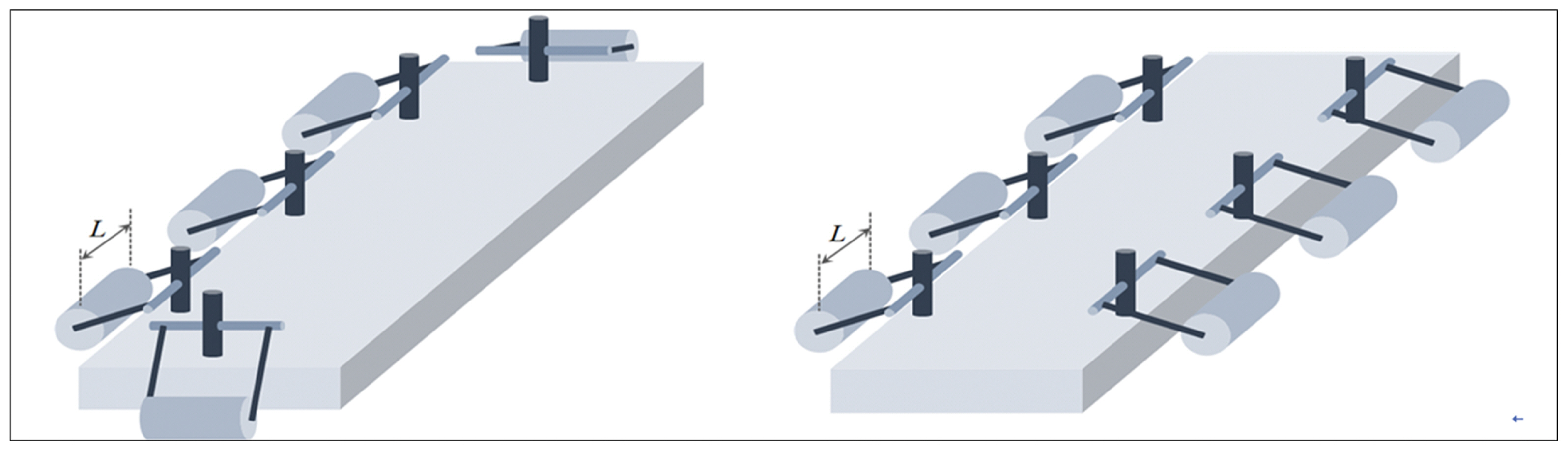
본 연구에서 제안하는 10 MW급 이동식 파력발전-ESS 통합 시스템의 개념도 및 장치 배치는 Fig. 1과 같다. 기술적 성능 분석은 대상 해역의 파랑, 조류, 풍속 자료를 기반으로 수행되었으며, 이동식 파력발전 시스템의 발전 성능, 운동 안정성 및 극한 해상조건 대응 가능성을 중심으로 평가하였다. 대상 시스템은 수심 30 m 해역에 최적화된 이동식 부유체 플랫폼으로 입사파의 에너지를 직접 수용하는 스윙판과 이를 유압 또는 전기 에너지로 변환하는 실린더 복합 장치로 구성된다. 특히, 장치의 폭(L)을 5~6 m로 설계하여 파주기 7 sec , 파고 1.5 m의 설계 기준점에서 개별 유닛당 약 20~28 kW 의 추출 파워를 확보하도록 배치하였다. 상부 플랫폼에는 EV 사용후 배터리를 재활용한 ESS를 통합하여 파력 발전 특유의 출력 변동성을 제어하며, 극한 해상 조건 발생 시 계류 라인을 분리하여 안전 해역으로 예인할 수 있는 생존성 중심의 설계 사양을 적용하였다.
본 연구에서 제안한 스윙판-실린더 복합 변환장치는 수치 해석 결과로 1차 변환장치 효율 40%, 시스템 전체 발전효율 25%를 달성하는 것으로 나타났다. 특히 부유체 플랫폼의 운동응답(RAO)은 형상 및 흘수 최적화를 통해 입사파 대비 50% 이내로 억제됨을 확인하였으며, 이는 극한 해상 조건에서도 과도한 공진을 방지하고 구조적 안정성을 확보할 수 있는 공학적 근거가 된다.
또한, 시간영역 비선형 해석을 통해 계류 시스템의 극한 강도(ULS) 및 피로 강도(FLS)를 평가한 결과, 20년 설계 수명 동안의 누적 손상도가 1.0 이내로 산출되어 해상 운용의 신뢰성을 정량적으로 검증하였다. 특히 태풍 등 극한 상황에서의 분리·예인 시스템 적용은 고정식 대비 구조 손상 리스크를 획기적으로 낮추어 장기 가동률 확보에 기여함을 확인하였다.
부유체 플랫폼의 주파수영역 해석(RAO) 결과, 주요 파주기 대역에서 운동 응답의 증폭 현상이 확인되었으나, 형상, 흘수 및 질량 분포 조정을 통해 과도한 공진 응답을 억제할 수 있었다. 특히 설계 파주기 범위 내에서 상하동요(heave) 및 종동요(pitch)의 RAO 값이 제한된 범위 내로 유지되어 발전 성능 저하나 구조적 불안정이 발생하지 않음을 확인하였다. 이러한 결과는 이동식 구조 적용 시에도 실해역 운용이 가능함을 시사한다.
시간영역 비선형 해석에서는 계류 시스템과 PTO의 상호작용이 부유체 운동에 미치는 영향을 분석하였다. 불규칙파 조건에서 계류선 장력 변동과 PTO 감쇠 효과를 동시에 고려한 결과, 극한 파랑 조건에서도 계류선의 최대 인장력은 설계 허용치를 초과하지 않았으며, 반복 하중에 대한 피로 수명 역시 설계 수명(20년)을 만족하는 것으로 나타났다.
또한 태풍 등 극한 해양환경을 고려하여 적용한 disconnectable mooring 개념은 부유체를 안전하게 분리·예인할 수 있도록 하여 구조 손상 위험을 감소시키고 계획 유지보수를 가능하게 하는 것으로 평가되었다. 이는 기존 고정식 파력발전 시스템 대비 생존성 향상과 장기 운용 안정성 측면에서 명확한 장점을 갖는다.
4.2 경제성 분석결과
경제성 분석은 3장에서 정의한 기술적 성능 평가 결과를 입력 변수로 활용하여, 10 MW급 이동식 파력발전-EV 폐배터리 ESS 통합 시스템의 사업 타당성을 정량적으로 검증하는 것을 목적으로 수행하였다. 분석 기간은 설계 수명과 동일한 20년으로 설정하였으며, 현금흐름 기반 비용-편익 분석(Cost-Benefit Analysis, CBA) 방식으로 평가하였다.
Table 3과 같이 기준 시나리오에서는 설비 이용률 80%, SMP 90원/kWh, REC 62.7원/kWh, 총사업비 600억원을 가정하였다. SMP의 경우, 전력거래소(KPX)의 2025년 10월 실시간 계통한계가격 통계를 분석한 결과 가중평균 가격이 약 108원에서 122원/kWh의 범위를 형성하였으나, 본 연구에서는 향후 재생에너지 비중 확대에 따른 가격 하락 리스크를 고려하여 실제 평균 대비 약 20% 내외의 안전율을 적용한 90원/kWh를 기준으로 채택하였다. REC 단가 역시 전력거래소의 최근 2년간 현물시장 평균 가격인 약 70원/kWh 대비 보수적인 62.7원/kWh를 적용함으로써 경제성 평가의 신뢰도를 높이고 사업화 단계에서의 수익 불확실성을 최소화하였다.
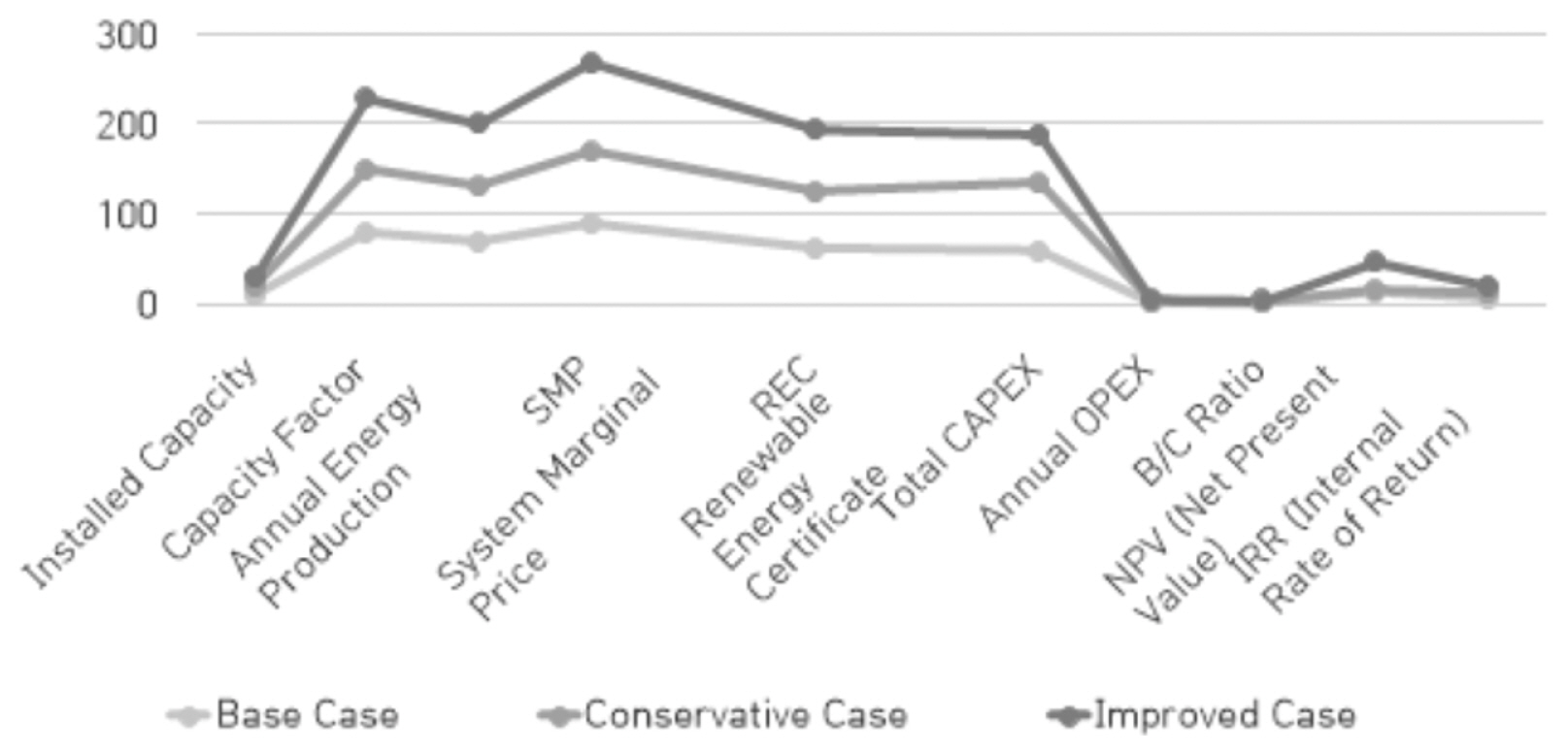
해당 조건에서 연간 발전량과 전력 판매 수익을 산정한 결과, 편익-비용비(B/C)는 1.18, 순현재가치(NPV)는 약 140억원, 내부수익률(IRR)은 6.6%로 나타났다. 이는 사회적 할인율 범위(5~7%)를 상회하는 수준으로, 제안된 시스템이 상용 발전 설비로서 경제적 타당성을 가질 수 있음을 의미한다. 총사업비를 750억원으로 상향한 보수적 시나리오에서는 초기 투자비 증가로 인해 경제성 지표가 하락하였으나, B/C는 약 1.0 수준을 유지하여 손익분기점에 근접한 경제성을 확보하는 것으로 분석되었다. 이는 이동식 구조 적용과 ESS 연계로 인한 설비 이용률 유지 및 운영 안정성이 초기 투자비 증가를 일부 상쇄할 수 있음을 시사한다.
반면 전력 판매 단가 상승 또는 설비 비용 절감이 이루어지는 조건에서는 경제성이 크게 개선되었다. SMP 및 REC 단가 상승 또는 총사업비 절감 시 B/C는 1.6~2.1 범위까지 증가하였으며, 이는 정책 인센티브 강화 또는 대량 생산에 따른 CAPEX 절감이 사업성 확보에 핵심적인 역할을 할 수 있음을 정량적으로 보여준다. 주요 변수에 대한 민감도 분석 결과, 설비 이용률 변화가 경제성 지표에 가장 큰 영향을 미치는 것으로 나타났다. 특히 EV 폐배터리 ESS 연계를 통해 파력발전 출력 변동성이 완화될 경우, 연간 발전량의 안정성이 확보되어 매출 변동 위험이 감소하는 효과가 확인되었다. 또한 CO2 감축 편익을 반영한 분석에서는 탄소배출권 단가 상승 시 추가적인 수익 확보 가능성이 존재함을 확인하였으며, 이는 향후 탄소중립 정책 강화 시 본 시스템의 경제성이 더욱 개선될 수 있음을 시사한다.
종합적으로, Fig. 2에 제시된 시나리오별 비교 분석 결과와 같이 본 이동식 파력발전-EV 폐배터리 ESS 통합 시스템은 기술적 성능이 담보될 경우에 외부 정책 및 시장 환경의 변동성(SMP, REC 등)에 대응 가능한 충분한 경제적 타당성을 확보하는 것으로 평가되었다. 특히, 보수적 시나리오에서도 수익성을 유지함으로써 실제 해역 적용 시의 경제적 리스크를 최소화할 수 있는 발전 모델임을 확인하였다.
4.3 사업화 전략 분석결과
사업화 전략 분석에서는 기술적 성능과 경제성 분석 결과를 바탕으로 이동식 파력발전-EV 폐배터리 ESS 통합 시스템의 실질적인 사업 추진 가능성을 검토하였다. 본 연구에서는 발전사, 항만공사, 조선소, 지역 협의체가 참여하는 SPC(특수목적법인) 기반 사업 구조를 적용하여 역할 분담과 리스크 분산 효과를 분석하였다.
이동식 파력발전 시스템은 고정식 해양 구조물과 달리 부지 확보 및 해저케이블 매설 부담이 상대적으로 작아 초기 인허가 기간과 설치비 절감이 가능하다. 또한 선박 기반 모듈화 설계를 통해 제작·운송·설치 공정의 유연성이 높아지며, 유지보수 시 부유체를 육상으로 예인할 수 있어 장기 운영비(OPEX) 절감 효과가 기대된다. 이러한 구조적 특성은 해상 작업 의존도가 높은 기존 파력발전 시스템 대비 사업 리스크를 낮추는 요인으로 작용한다.
EV 폐배터리를 팩 단위로 재활용하는 ESS 구성은 신품 ESS 대비 초기 투자비 절감이 가능하며, 재가공 공정을 최소화함으로써 구축 기간 단축과 비용 절감 효과를 동시에 확보할 수 있다. ESS 연계를 통해 출력 변동성이 완화됨에 따라 도서 지역 독립형 전원, 해상 충전소, 마이크로그리드 등 다양한 응용 시나리오로의 확장이 가능하며, 이는 단일 발전 사업을 넘어 복합 에너지 서비스 사업으로의 확장 가능성을 제공한다.
글로벌 재사용 배터리 시장은 2030년 약 241 GWh 규모로 성장할 것으로 전망되고 있으며, 파력자원이 풍부한 유럽, 동남아, 도서 국가를 중심으로 해양 분산전원 수요가 증가하고 있다. 이러한 시장 환경을 고려할 때, 이동식 파력발전-EV 폐배터리 ESS 통합 시스템은 국내 실증을 거쳐 해외 시장으로 확장 가능한 수출형 에너지 시스템으로 발전할 잠재력을 가진다.
종합하면, 본 시스템은 기술적 실현 가능성, 경제적 타당성, 사업 구조 측면에서의 확장성을 동시에 갖춘 모델로 평가되며, 향후 해양에너지 기반 에너지 자립섬 조성 및 해상 분산 전원 확대 전략에서 실질적인 사업 대안으로 활용될 수 있을 것으로 판단된다.
5. 결 론
본 연구에서는 이동식 파력발전-EV 사용후 배터리(secondlife) ESS 통합 10 MW급 시스템을 대상으로 상용화 관점에서 핵심이 되는 기술경제성 및 사업화 타당성을 정량적으로 검증하였다. 특히 기존 파력발전 연구에서 상대적으로 부족했던 설계 결과의 정량 지표화(가동 안정성·생존성·유지관리성)와 비용·수익 가정의 명시 및 민감도 기반 사업성 검증을 중점적으로 검토하였다. 연구결과로부터 도출된 결론은 다음과 같다.
첫째, 제안 시스템의 기술적 차별점은 이동식 부유체 + 분리·예인(disconnectable) 계류 개념 + 폐배터리 팩 단위 ESS(pack-as-is)의 결합에 있다. 스윙판-실린더 복합 1차 변환장치와 부유체-계류-PTO 연성 해석(주파수/시간영역)을 통해 설계 파주기 대역에서 과도한 공진을 억제하면서도 발전 성능을 확보하는 운용 가능성을 확인하였다. 또한 태풍 등 극한 해상조건에서 부유체를 분리·예인할 수 있는 계류 운용 개념은 고정식 대비 구조 손상 위험을 낮추고 계획정비(육상 유지보수)를 가능하게 하여 장기 운전의 가동률(availability) 확보 및 O&M 비용 절감 잠재력을 제공한다. 즉, 본 연구의 설계는 단순 효율 향상이 아니라 생존성(survivability)-가동 안정성-유지관리성을 통해 경제성에 직접 연결되는 구조로 설정되었다.
둘째, 경제성 분석은 기술적 평가 결과를 입력변수로 반영하여 현금흐름 기반 비용-편익 분석(CBA)으로 수행하였으며, 분석기간 20년을 기준으로 B/C, NPV, IRR을 핵심 지표로 적용하였다. 기준 시나리오는 설비 이용률 80%, SMP 90원/kWh, REC 62.7원/kWh, 총사업비(CAPEX) 600억원으로 설정하였고, 이때 B/C 1.18, NPV 약 140억원, IRR 6.6%로 나타나 사업 타당성이 확보되었다. 본 연구에서 CAPEX는 이동식 부유체·계류·PTO·전력변환·설치공사 및 ESS 구축 비용을 포함하는 총사업비로 정의하였고, OPEX는 해상 점검·부품교체·선박 투입 등 해상 유지관리 비용을 반영하는 것으로 구성하였다. 또한 초기 투자비 변동의 영향을 확인하기 위해 CAPEX 750억원의 보수적 시나리오를 추가하여 분석한 결과, B/C가 약 1.0 수준으로 하락하였으나 손익분기점 근처에 서 유지되어 비용 상승 시에도 일정 범위 내에서는 사업성 유지가 가능함을 확인하였다.
셋째, 민감도 분석을 통해 본 시스템의 사업성은 설비 이용률, 전력 판매단가(SMP·REC), CAPEX에 가장 크게 좌우됨을 확인하였다. 특히 이용률은 해상 발전의 매출을 직접 결정하므로 이동식 운용 및 분리·예인 계류 개념을 통해 고장·정비로 인한 비가동 시간을 최소화하는 것이 경제성 확보의 핵심 조건으로 도출되었다. 전력단가 상승 또는 비용 절감이 이루어지는 조건에서는 B/C가 1.6~2.1 수준으로 개선되어 정책 인센티브(REC) 또는 시장가격(SMP) 변화와 함께 CAPEX 저감(표준화·모듈화·대량생산)이 상용화의 주요 레버임을 정량적으로 확인하였다. 또한 CO2 감축 편익을 반영한 경우 탄소가격 상승 시 추가 수익이 가능하여 탄소중립 정책 강화 환경에서 사업성이 개선될 여지가 있음을 제시하였다.
넷째, 사업화 관점에서 발전사-항만공사-조선소-지역사회가 참여하는 SPC(특수목적법인) 기반 추진 구조를 제안하였다. 이동식 파력발전은 고정식 대비 부지 확보·해저케이블 매설 부담이 상대적으로 작고, 선박 기반 모듈화 및 육상 정비가 가능하여 인허가·설치·O&M 리스크를 분산할 수 있다. 또한 ESS를 EV 사용후 배터리 팩 단위로 재가공 없이 적용하는 구조는 신품 ESS 대비 투자비 절감 가능성을 제공하며, 도서 마이크로그리드·해상 충전소 등 응용 확장성을 통해 단일 발전사업을 넘어 복합 에너지 서비스 모델로의 확장 잠재력을 갖는다.
종합하면, 본 연구는 이동식 파력발전-EV 폐배터리 ESS 통합 시스템이 생존성·유지관리성 중심의 설계 결과를 통해 이용률과 O&M에 영향을 주는 구조적 장점을 갖고, 명시적 비용·수익 가정하에서 경제성 지표(B/C, NPV, IRR)를 확보할 수 있으며, SPC 기반 사업 구조로 현실적인 추진 경로를 구성할 수 있음을 제시하였다.
다만, 본 연구의 경제성은 가정한 이용률·단가·비용 수준에 민감하므로 향후 연구에서는 실해역 운전 데이터 기반의 이용률/정비주기/OPEX 실증치, CAPEX 항목별 상세내역(부유체·계류·PTO·전력변환·설치·ESS 등)과 산정 근거의 표준화, 가격(SMP·REC) 및 탄소가격 변동을 반영한 장기 시나리오 분석, 그리고 폐배터리 SOH 편차·안전·인증 비용을 포함한 리스크 비용 모델링을 추가하여 사업성의 견고성을 강화할 필요가 있다.

 PDF Links
 PubReader
 ePub Link
 Full text via DOI
 Download Citation
  Print
Print