

1. 서 론
조선왕조실록에는 1741년 8월 29일(영조 17년 7월 19일) 강원도 평해 등 아홉 고을에 해일 피해가 발생했다는 기록이 등장한다. 당시의 해일은 일본 홋카이도 남서해역에서 발생한 쓰나미가 원인이 되었는데, 이 쓰나미의 근본적인 발생 원인에 대해서는 명확한 역사 기록이 없어 많은 논란이 되어왔다. 상충되는 두 가지의 발생 원인으로는 첫째, 오시마섬의 화산활동에 의한 대규모 산채 붕괴와 둘째, 단층 활동에 의한 해저지진 활동이다. Aida(1984)는 당시의 화산폭발에 의한 산사태를 가정하여 지진해일 규모를 산정해본 결과 실제 해일고 대비 약 1/4 정도로 낮게 나타났으며, 산정된 쓰나미 에너지도 실제의 1/100에 불과함을 근거로 당시의 쓰나미는 해저 지진에 의해 발생 되었을 가능성을 제시한 바 있다. Hatori(1994)도 1741년 당시의 상황 기록 및 1993년 일본 홋카이도 오쿠시리섬 북서쪽에서 발생한 진도 7.8의 해저지진 규모와의 비교 연구 등을 토대로 1741년의 대규모 해일 발생 원인은 해저 단층지진에 의한 것임을 주장한 바 있다. 또한, 그는 당시의 해일고 분포로부터 역 추산하여 진앙의 위치를 오쿠시리섬 서쪽 외해(42.1° N, 139.1° E)로 판단한 바 있다.
이후 Satake and Kato(2001)는 현장의 정밀 수심측정을 통해 오시마섬 화산의 붕괴 흔적을 찾아 제시하였다. 화산폭발은 오시마섬의 북쪽에서 발생하였고, 화산의 높이는 해저면으로부터 약 2.3 km이며, 화산폭발로 인한 산채 붕괴는 해저바닥까지 이어졌는데, 해저면에 침전된 부피가 약 2.5 km3에 이를 정도로 대규모였음을 주장하였다. 이후 Satake(2007)는 이를 토대로 모델 시뮬레이션을 수행하였고, 산채 붕괴로 인한 막대한 규모의 해양내 교란으로 대규모의 쓰나미가 발생되었음을 제시한 바 있다.
일본에는 1741년 당시의 쓰나미 상황과 피해사례에 대한 비교적 다수의 기록과 구전이 전해져오고 있으나 우리나라 동해안의 쓰나미 피해 상황은 조선왕조실록에 기록된 간략한 내용 외에는 추가적인 기록이 없어 안타까움이 있다. 따라서 본 논문에서는 조선왕조실록에 등장하는 역사 기록과 일본의 연구 결과 등을 토대로 당시의 상황을 재정리해보고, 우리나라 동해안에 도달한 쓰나미의 이동 경로와 주요 피해지역, 그리고 쓰나미 전파 소요시간 등을 상세히 살펴보고자 한다.
2. 자료 및 방법
2.1 쓰나미 파향선추적모형(Tsunami ray-tracing model)
파향선추적모형은 쓰나미의 전파경로와 도달 시간을 빠르게 산정할 수 있으며, 수심의 효과가 어떻게 작용하는지 등을 연구하기에 적합하므로 쓰나미 연구에 폭넓게 활용되고 있다. 이 모형에서 사용되는 지배방정식은 다음과 같다.
여기서, θ와 ϕ는 각각 시간 T에서 파향선(ray)의 위도와 경도, n은 수심에 따라 계산된 slowness(= 1 g h
2.2 모형에 사용된 수심자료
수심 자료는 ETOPO2m와 ETOPO1m, SKKU1m, GEBCO15c를 활용하였다. 먼저 ETOPO2m와 ETOPO1m은 NOAA에서 제공하는 전구 수심 자료(www.ngdc.noaa.gov)로써 격자 간격은 각각 2 arc-minute과 1 arc-minute이고, SKKU1m은 성균관대학교에서 해도를 기반으로 제작한 1 arc-minute 간격의 동해전역 수심자료이다(Choi et al., 2002). 마지막으로 GEBCO에서 제공하는 GEBCO15c는 15 arc-second 간격의 고해상도 전구 수심 자료(www.gebco.net)로써 언급된 수심 자료 중 해상도가 제일 높고, 가장 최근(2020년)에 갱신되어 제공되고 있다. 각각의 수심 자료를 이용하여 쓰나미 파향선 전파모형 시뮬레이션을 수행한 뒤 전파 특성을 상호 비교하였다.
3. 조선왕조실록에 기록된 지진해일 및 최근 지진해일 피해사례
조선시대에 해일 피해가 발생하였다는 기록이 조선왕조실록에 수 차례 등장하는데, 그 중에서도 일본에서 발생한 지진해일이 한반도 동해안에 영향을 미친 것으로 보이는 매우 명확한 기록이 존재한다. 1741년 8월 29일(음력 7월 19일) 조선왕조실록에는 다음과 같이 기록되어 있다. ‘강원도의 평해(지금의 경북 울진, 1963년 이전까지 강원도에 속함) 등 아홉 고을에 바닷물이 줄어들어 육지와 같이 편편해졌다가 얼마 후에 물이 육지로 넘쳐들어 하루에 번번이 7, 8 차례나 넘어드니 바닷가의 인가가 많이 표몰 되었고 주즙(선박)이 파손되었다’(http://sillok.history.go.kr). 한편, 동일한 시기의 지진해일 기록이 일본 역사(도쿄대학 지진연구소 휘보 제52권, 1977년) 에도 등장하는데 ‘홋카이도 남서 앞바다의 오시마섬 근해에서 화산지진(M6.9, Mt8.4)에 의한 쓰나미 사망자 2,033명, 해일 높이 3 m’라는 내용이다.
역사 기록을 통해 추정해볼 때 일본 홋카이도 남서 앞바다의 오쿠시리섬 남쪽에 위치한 조그만 무인도인 오시마섬(동일한 이름을 가진 다른 지역의 섬과 구분을 위해 Oshima-Oshima로 표현하기도 한다) 근해에서 발생한 쓰나미가 우리나라 동해안에 영향을 준 것으로 판단된다. 이 지진해일은 미국 NOAA의 NGDC(National Geophysical Data Center, www.ngdc.noaa.gov)에도 역사적인 지진해일로 등록되어 있어 관련 정보 검색이 가능하다.
한편, 1900년 이후에도 동해안에 피해를 입힌 지진해일은 4차례(1940년, 1964년, 1983년, 1993년)가 있었다. 그 중에서도 피해가 컸던 지진해일은 1983년 5월 26일 11시 59분 일본 아키다현 서쪽에서 발생한 지진(진도 7.7)과 1993년 7월 12일 22시 17분 일본 홋카이도 오쿠시리섬 북서쪽에서 발생한 지진(진도 7.8)에 의한 것이었다. 이 중 1983년에 발생한 지진해일의 높이는 묵호에서 2 m 이상, 속초 1.56 m, 포항은 0.62 m에 달하였고 3명이 사망하거나 실종되었으며 선박 81척과 가옥 피해 등 약 4억원의 재산 피해가 발생되었다. 이 지진해일 이후 약 10년 뒤인 1993년에 발생한 지진해일의 높이는 속초에서 2.76 m, 묵호 2.03 m, 포항 0.92 m에 이르렀고, 선박 32척과 어망 등 약 4억원의 재산 피해가 발생하였으나 빠른 대응이 있어 인명피해는 발생하지 않았던 것으로 알려져 있다(www.weather.go.kr).
그렇다면 조선왕조실록과 일본의 역사 기록에 동시에 등장하는 1741년 8월 29일의 쓰나미 발생 당시 상황은 어떠하였을까? 다음 장에서는 당시 지진해일의 상황을 여러 기록을 통해 먼저 살펴보고 어떠한 경로를 통해 한반도 동해안에 해일이 도달하였는지, 그리고 이 지진해일이 도착한 시간은 언제쯤이었는지 등을 파향선추적모형(ray-tracing model) 결과를 통해 살펴보도록 한다.
4. 1741년 8월 29일 지진해일 상황
일본의 기록을 통해 당시 상황을 살펴보면 첫 번째 화산폭발은 1741년 8월 18일에 발생 되었고, 8월 23일에는 홋카이도 연안 전체에서 화산폭발이 시각으로 확인될 정도였으며, 이는 8월 25일 정오까지 이어진 것으로 알려져 있다. 당시의 화산재는 온 하늘을 덮고 햇빛을 차단하여 낮에도 어둠이 지속 되었다. 가장 강력한 폭발은 8월 29일 새벽 5시경에 발생하였는데 당시의 폭발 소리가 홋카이도 연안까지 들린 것으로 알려져 있다(Satake, 2007). Hatori(1994)의 연구자료에는 당시의 지진 발생 상황에 대한 주민의 체험 내용이 흥미롭게 기록되어 있고, 국립기상과학원에서는 해당 자료를 번역(Jung et al., 2015) 하기도 하였는데 이를 재정리하면 아래와 같다.
8월 25일 재가 엄청나게 내려 사방팔방의 하늘이 검게 되고 낮에도 등불을 켰을 정도였으므로 도롱이와 삿갓을 쓰고 이동을 했습니다. 29일 밤이 되어 새벽달이 서늘하게 해수면을 비추는 시간까지 흥이 나서 걷고 있던 마침 그때, 무언가의 소리에 “이건 지진이다”라며 잠들었던 사람들도 모두 요란하게 떠들기 시작했고, 밖으로 나가자마자 물결이 높게 치솟아 올라 발도 땅에 닿지 않을 정도로 급히 산을 올라 언덕에 겨우 다다랐습니다. 이윽고 어둠이 겯혀 내려다보니 집들은 남김없이 물결에 휩쓸려버렸고 많은 사람들이 목숨을 잃었습니다.
이상과 같이 당시의 체험 기록은 매우 긴박했던 상황을 잘 묘사하고 있는데, 이렇게 발생한 쓰나미로인해 홋카이도 연안에 도달한 지진해일 높이는 최대 15 m에 달했고 약 2,000명의 사망자가 발생한 것으로 알려져 있다(Hatori, 1994).
5. 1741년 지진해일 시뮬레이션 결과
5.1 진앙의 위치
앞서 언급한 바와 같이 조선왕조실록에는 1741년 8월 29일 강원도 평해(현재 경북 울진) 등 아홉 고을에 지진해일 피해가 있었다고 밝히고 있다. 조선 시대의 고을은 현재의 군이나 시를 의미하는데,‘평해 등 아홉 고을’로 기록한 것을 근거로 살펴볼 때, 평해가 강원도를 대표하는 고을이 아님(‘강원도’라는 명칭은 대표 지역인 강릉과 원주의 지역명 첫 글자를 합성한 것에서 유래)에도 평해를 대표로 언급한 것은 해당 지역의 해일 피해가 가장 컸기 때문이라 추정할 수 있겠다.
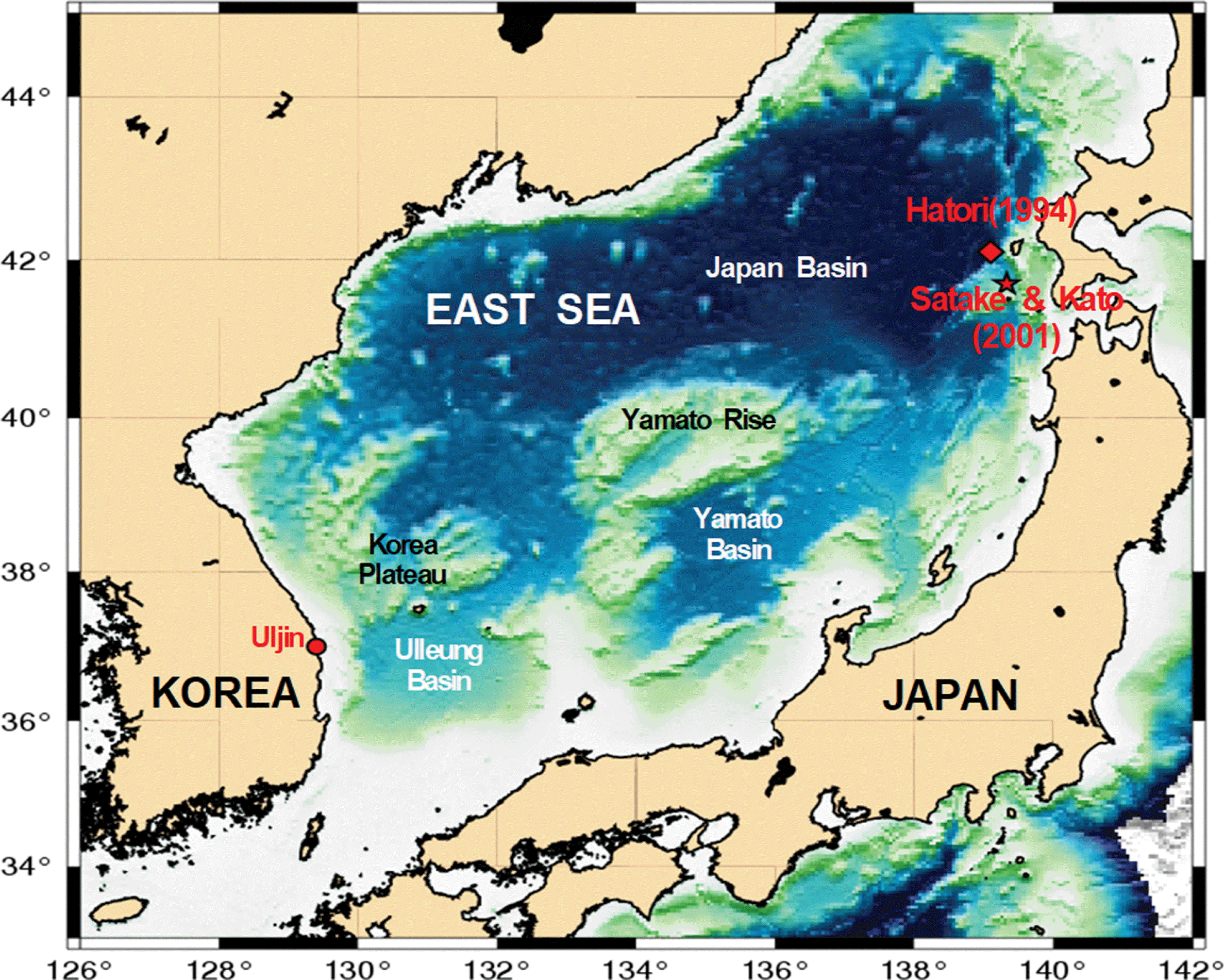
한편, 지진이 발생한 위치는 역사 기록에 정확한 경위도로 명시되어 있지 않은데, NOAA NGDC의 쓰나미 관련 데이터베이스에는 지진발생 위치를 오시마섬 경위도(41.5N, 139.37E) 로만 제시하고 있다. Hatori(1994)는 오시마섬 내 화산활동에 의해 산체가 대붕괴되어 쓰나미가 발생했다는 학설에 의문을 제기하였고, 오시마반도 연안을 시작으로 멀리 시네마현까지 피해를 남긴 대규모의 지진해일이었다는 점과 당시 주민의 경험담, 그리고 1993년 홋카이도 남서외해 지진해일 규모와의 비교 연구 등을 통해 해저 단층에 의한 지진이 원인이었음을 주장하였다. 또한 그는 일본 연안의 해일고 분포로부터 역 추산하여 진앙의 위치를 오쿠시리섬 서쪽외해(42.1° N, 139.1° E/수심 약 3,300 m)로 판단하였다(Fig. 1).
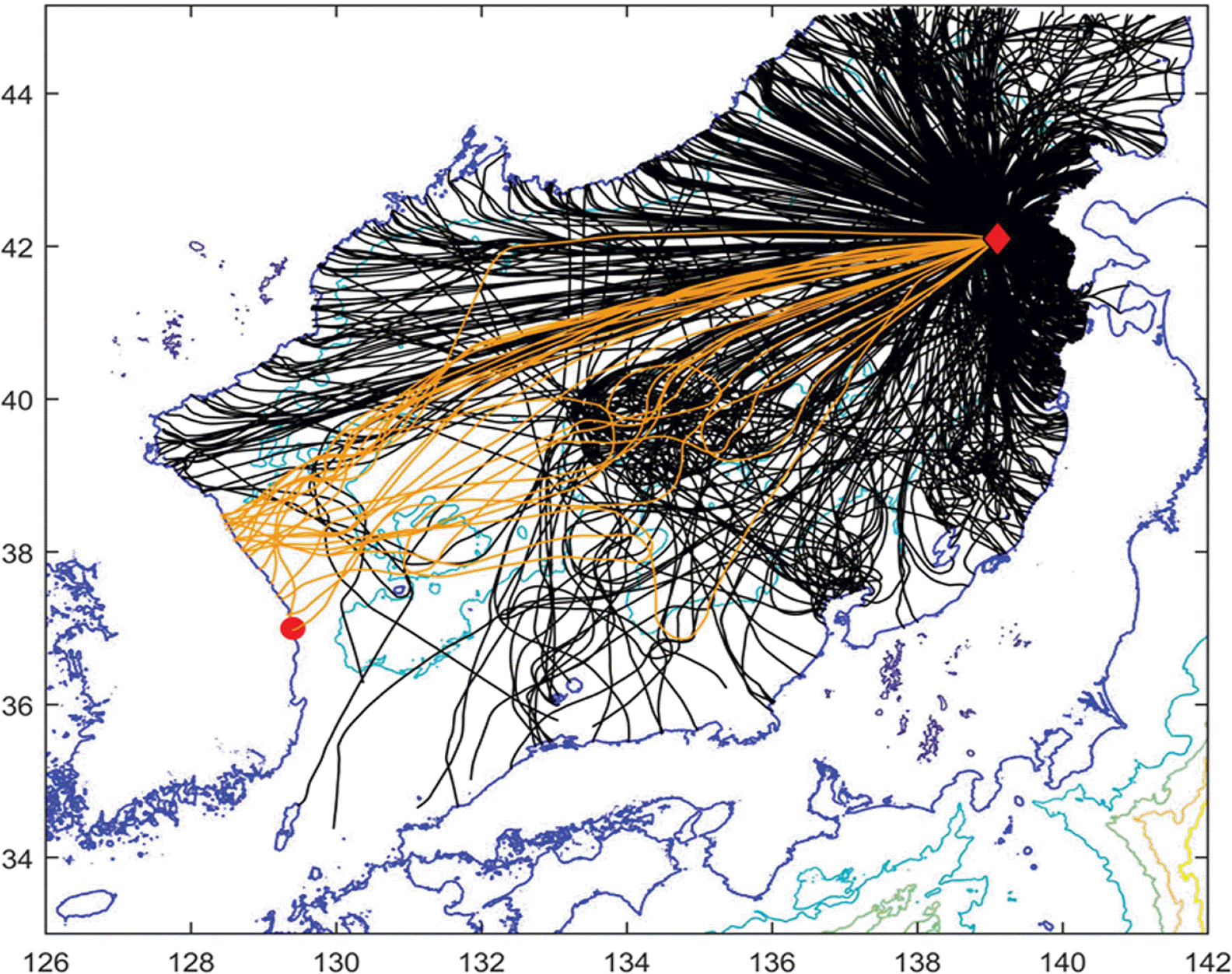
Hatori(1994)가 제시한 진앙지는 오시마섬 북쪽으로 약 70 km 지점(Fig. 1의 마름모)으로 오쿠시리섬 근해이다. 이 지점을 기준으로 쓰나미 파향선 추적 시뮬레이션을 수행(GEBCO15c 수심 활용)하면 경북 울진에는 에너지 집중이 미약한 반면, 그 보다 북쪽 지역에 더 많은 에너지가 집중되는 경향을 보인다(Fig. 2). 즉, 경북 울진 보다는 북위 38° N 이북으로 더 많은 파향선이 집중되는 것을 확인할 수 있는데, 이는 조선왕조실록의 주요지역(경북 울진 등)에 해일 피해가 집중되었다는 기록과는 다소 상이한 결과이다.
이후 Satake and Kato(2001)가 정밀 해저수심 측정 및 조사를 통해 확인한 결과 오시마섬 북쪽에서 발생한 화산 폭발로 인해 대규모 산사태가 발생되어 해저 바닥까지 이르게 됨으로써 대규모 쓰나미가 발생 되었음을 제시하였다. 우리는 위에서 Hatori(1994)가 제시한 진앙 위치보다는 실제 수심 관측을 통해 Satake and Kato(2001)가 제안한 것이 보다 신빙성이 있을 것으로 판단하였다. 따라서, 제안된 영역을 토대로 ray-tracing 모형에 사용된 쓰나미 발생 위치를 오시마섬 북쪽(북위 41.7° N, 동경 139.33° E), 수심 약 1,900 m 지점 (Fig.1의 별)으로 선정하였다.
5.2 파향선추적모형(ray-tracing model) 결과
5.2.1 수심 자료별 모형결과 비교
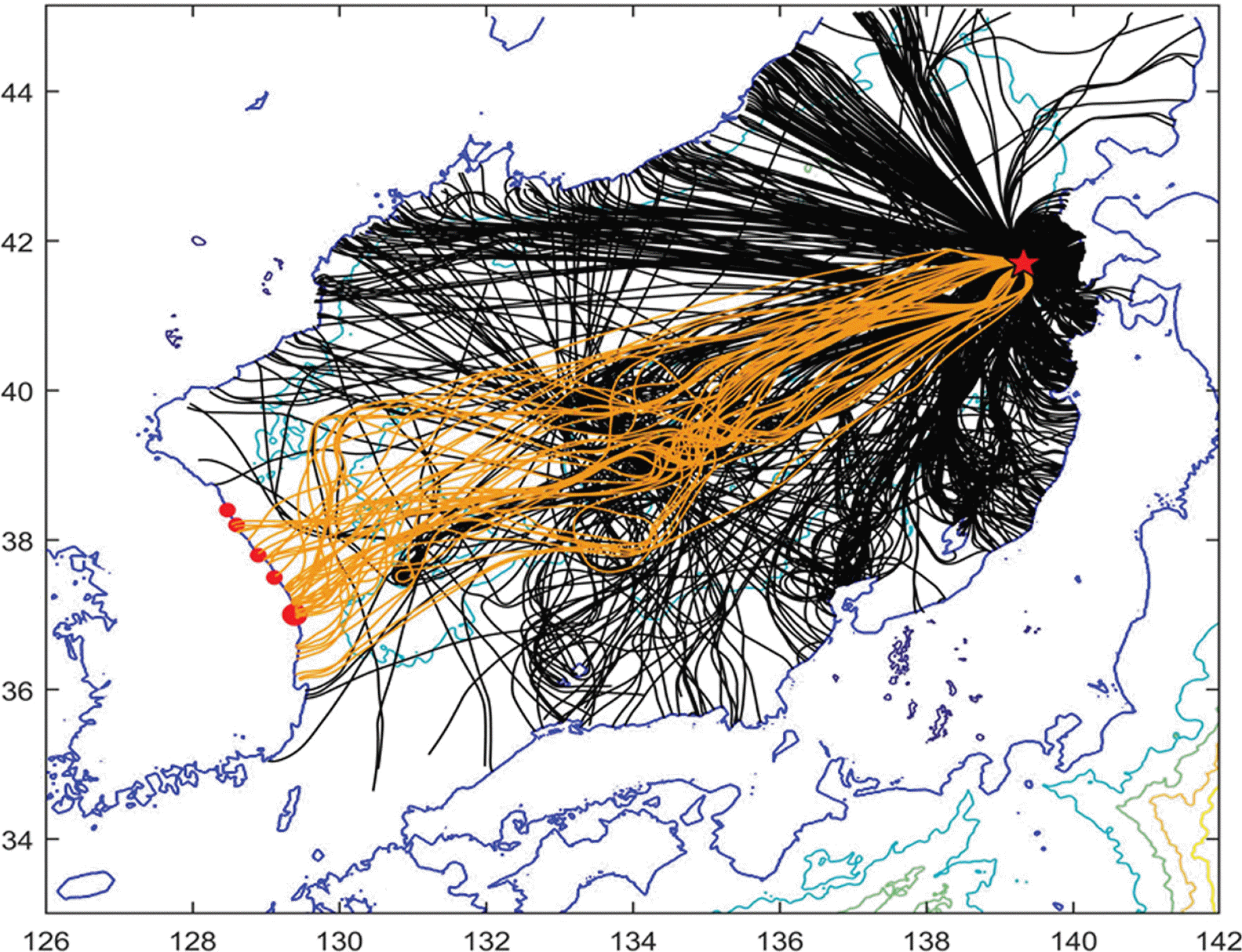
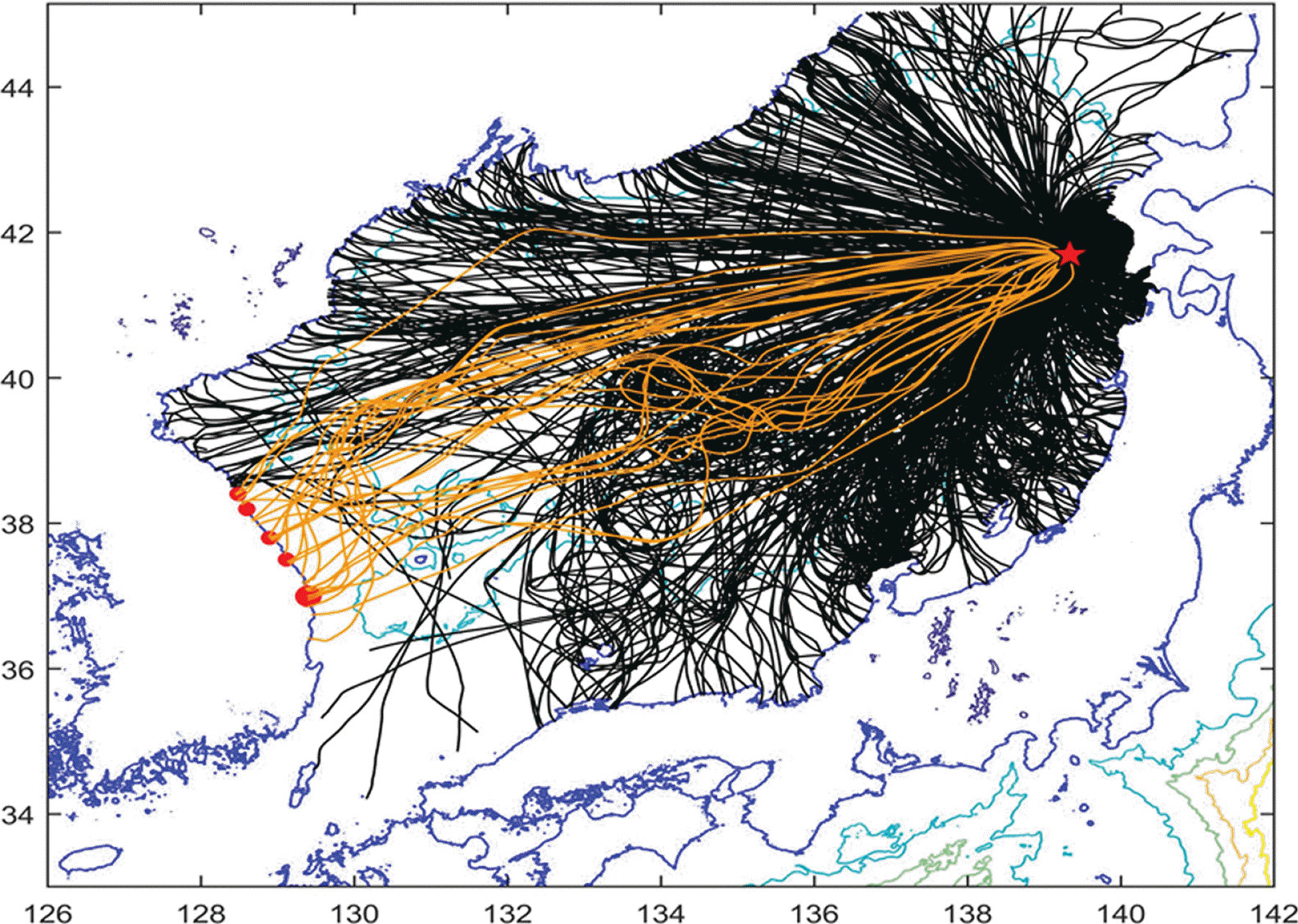
파향선추적모형(ray-tracing model)을 이용하여 1741년 8월 29일 일본 오시마섬 인근에서 발생한 쓰나미가 어떠한 경로를 통해 경북 울진 등 동해안에 도달하였으며 전파 시간은 얼마나 소요 되었는지 등을 계산해 보았다. 쓰나미가 전파할 때 공간적인 수심 변화에 많은 영향을 받는다는 것은 기존의 연구를 통해 잘 알려진 사실이며(e.g., Choi et al., 2008, Satake, 1988), 특히, 동해에서는 대화퇴(Yamato Rise)와 Oki Bank 등 해저 지형의 영향으로 쓰나미 파가 굴절되어 전파되는 것으로 알려져 있다. Choi et al.(2008)은 해당 지형이 없을 경우를 가정한 인위적인 수심 자료 변경 후 쓰나미 시뮬레이션을 수행한 결과 쓰나미 파가 굴절 없이 동해안으로 직접 전파되어 더 높은 해일고가 유발될 수 있음을 밝힌 바 있다. 따라서, 우리는 수심 자료별 특성(해상도 등)에 따라 쓰나미 전파 형태도 달라질 것으로 예상하여 서로 다른 네 가지 수심자료(ETOPO2m, ETOPO1m, SKKU1m, GEBCO15c)를 이용하여 각 수심별 쓰나미 전파 형태를 상호 비교해 보았다.
결과 비교의 주안점은 다음과 같다. 첫째, 조선왕조실록에 기록된 바와 같이 주로 강원도 동해안 지역에 쓰나미 파향선이 잘 집중되는가? 둘째, 그 중에서도 경북 울진(조선시대 강원도 평해)에 파향선이 가장 많이 집중되는 형태를 보이는가? 셋째, 쓰나미 발생 원점으로부터 동해안까지 이동되는 경로는 상호 어떤 차이를 보이는가?
파향선 추적모형 산정을 위해 쓰나미의 전파 방향은 원점으로부터 0.3도 간격으로 0~360도 전방위로 퍼져나가는 것으로 설정하였고, time step은 60초, total time step은 3.2시간으로 하였다. 또한, 동해안의 주요 5개 지역(울진, 동해, 강릉, 속초, 고성/남쪽부터 북쪽 순)에 도달하는 쓰나미 파향선은 짙은 황토색으로 구분하여 식별이 용이하도록 하였다.
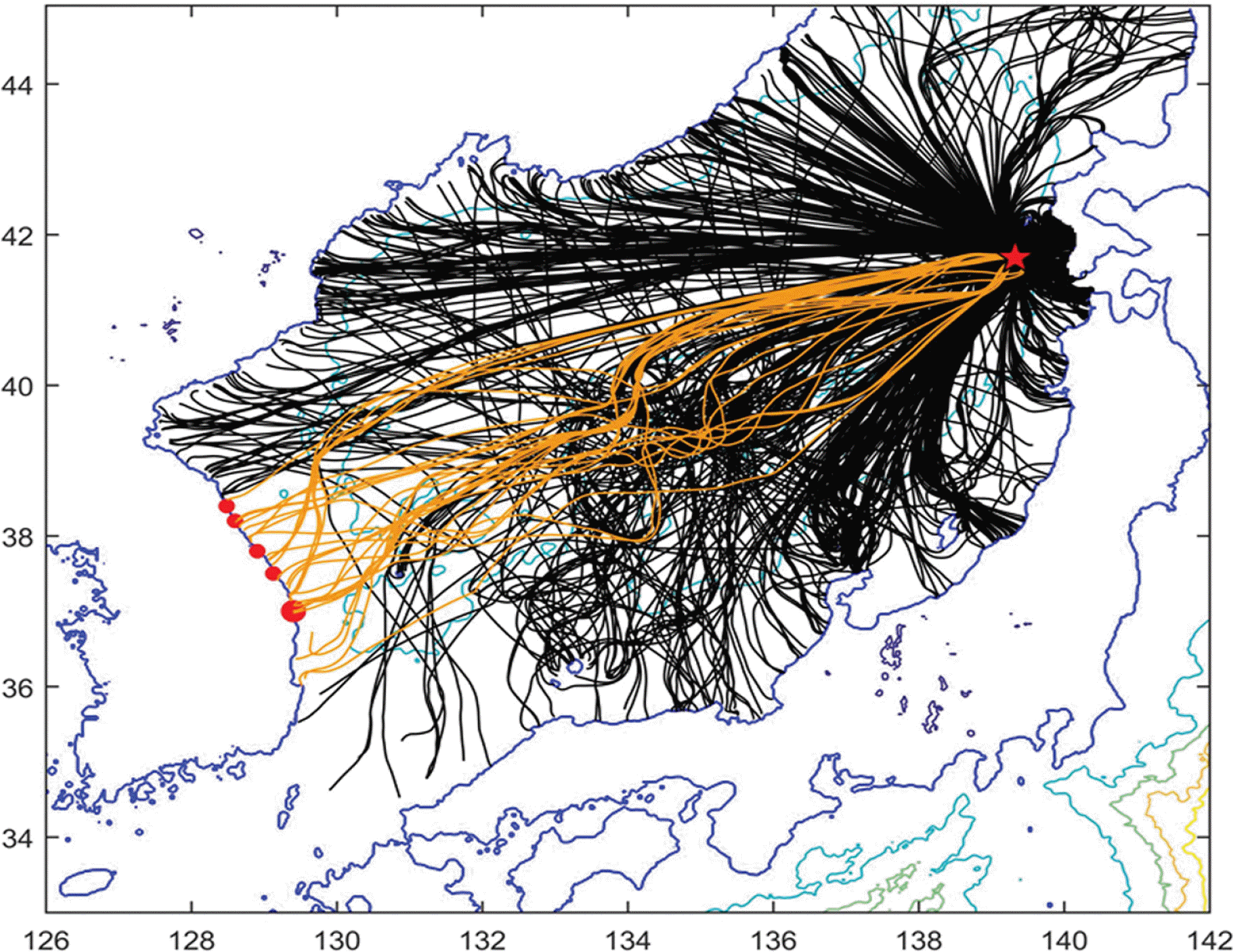
먼저, ETOPO2m 수심을 이용한 결과를 살펴보자(Fig. 3). 쓰나미 발생 원점으로부터 전파된 파향선은 동해안 주요 5개 지역 중 고성을 제외한 4개 지역에 집중되는 형태를 보이는데, 그 중에서도 경북 울진 부근에 가장 많은 파향선이 집중되는 현상이 나타난다. 한편, 그 보다 남쪽에 위치한 경북 포항과 그 이남에도 다수의 파향선이 도달하는 것을 확인할 수 있다. 대화퇴(Yamato Rise) 북쪽 해역의 깊은 수심 영역을 거쳐 거의 직진 형태로 전파한 파는 동해안 연안에 가까워지자 울릉분지 북쪽의 얕은 수심인 한국대지(Korea Plateau)의 영향으로 북위 39° N 부근에서 남서쪽으로 굴절하여 동해와 울진으로 도달하는 형태를 보인다. 또한, 얕은 수심인 대화퇴의 북쪽 가장자리를 따라 굴절된 파향선도 울릉도 부근을 거쳐 울진에 도달하는 형태를 보이며, 일부는 대화퇴 상부를 통과하고, 일부는 대화퇴 남쪽해역의 깊은 수심을 거쳐 동해안에 도달하는 경로도 확인된다.
둘째, ETOPO1m 수심을 이용한 결과를 살펴보자(Fig. 4). ETOPO1m의 경우는 ETOPO2m 보다 더 많은 파향선들이 대화퇴 상부를 통과하여 동해의 주요 지역에 도달하는 형태를 보여준다. 전반적으로 동해안 주요 5개 지역에 파향선이 집중되는 형태를 보이나 경북 울진보다는 더 북쪽인 동해시 연안에 많은 파향선이 집중되는 현상이 뚜렷한데, 집중되는 파향선은 주로 대화퇴 북쪽의 깊은 수심 영역을 거쳐 한국대지 인근의 북위 39o N 부근에서 남서쪽으로 굴절된 파들이 주를 이룬다. ETOPO2m와 또 다른 특징으로 강릉, 속초, 고성지역에도 많은 파향선이 도달하며, 경북 울진과 포항 사이의 지역에도 파향선 일부가 도달함을 확인할 수 있다. 또한, 포항 이남의 부산까지 도달하는 파향선도 확인된다. ETOPO2m 대비 수심의 해상도가 2배로 높아짐에 따라 대화퇴 가장자리 부근에서 나타나던 뚜렷한 굴절 현상이 확연히 줄어들고 대화퇴 상부를 가로질러 전파하는 파향선들이 더 많아지는 형태를 보인다.
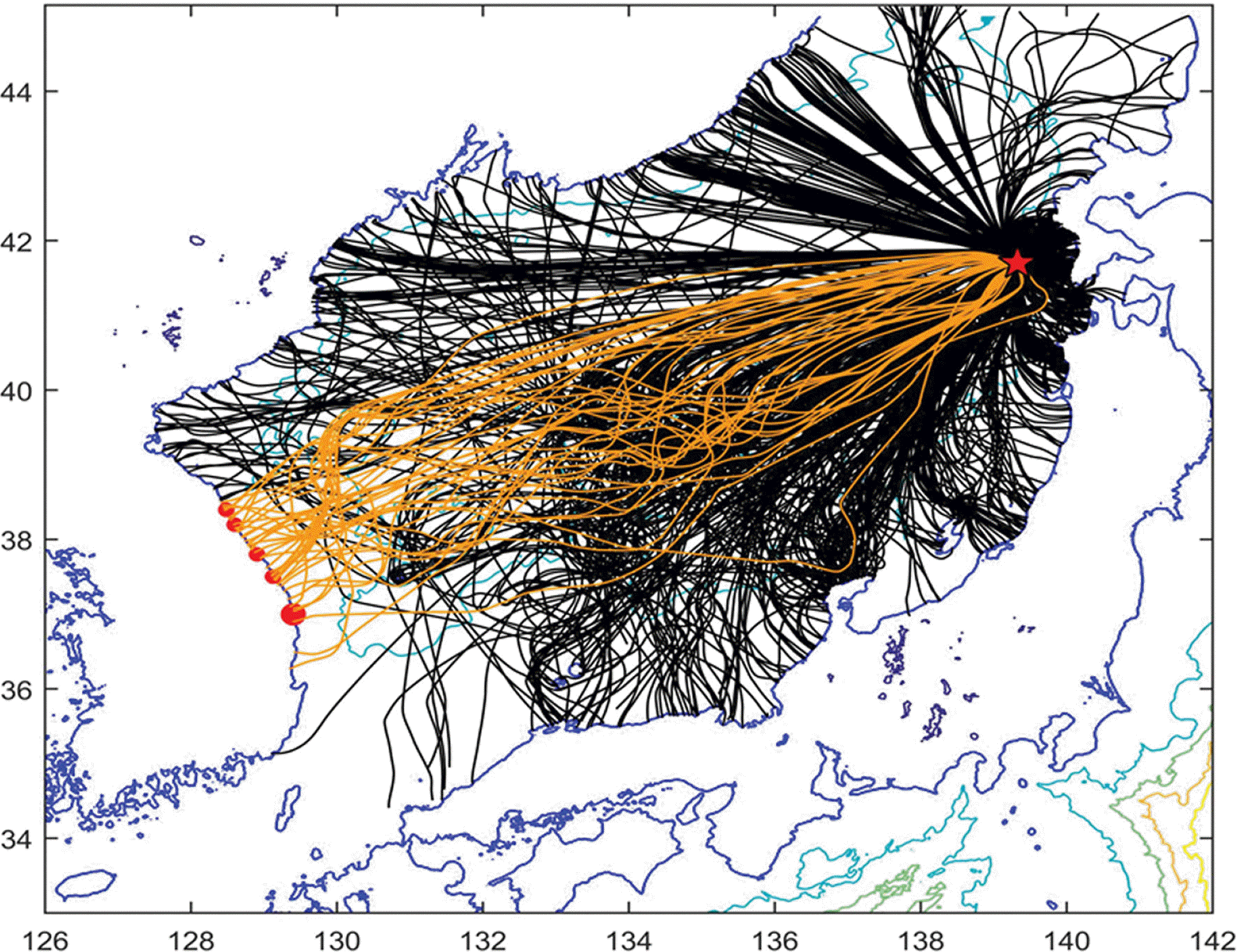
셋째, ETOPO1m과 동일한 해상도(1 arc-minute)를 가지는 SKKU1m 수심을 이용한 결과를 살펴보자(Fig. 5). 쓰나미 발생 위치로부터 전파된 파향선은 경북 울진지역에 가장 많이 집중되는 형태를 보이나 강원도 고성에는 뚜렷한 공백역이 확인된다. 경북 포항과 울진 사이에도 많은 파향선이 집중됨을 확인할 수 있는데, 이는 ETOPO2m 및 ETOPO1m과 확연한 차이를 보이는 부분이다. 또한, ETOPO2m과 ETOPO1m의 결과에서는 강원도 고성 북쪽부터 동한만 사이에도 많은 파향선의 집중 현상이 확인되나 SKKU1m 수심을 이용한 결과에서는 해당 영역에 파향선이 거의 도달하지 않는 공백역을 확인할 수 있다. 한편, 대화퇴 상부를 가로질러 전파되는 형태나 부산지역에 파향선이 도달하는 현상은 ETOPO1m과 유사한 부분이다.
마지막으로 가장 고해상도(15 arc-second)인 GEBCO15c 수심 자료를 활용한 결과를 살펴보자(Fig. 6). 먼저, 쓰나미 발생 위치로부터 동해안의 주요 5개 지역에 파향선이 잘 집중되는 형태를 보이며, 그 중에서도 경북 울진 지역에 가장 많은 에너지가 집중되는 현상이 잘 나타난다. 이전 결과와는 달리 경북 포항 이남과 부산에는 파향선이 도달하지 않으며, 강원도 고성 북쪽의 동한만에도 다수의 파향선이 집중됨을 확인할 수 있다. 또한, 수심 해상도가 가장 높아 대화퇴의 지형 효과가 상세하게 나타나는데, 동경 134oE 부근에서 대화퇴로 인한 수심 변화를 따라 파향선의 굴절 현상이 뚜렷하다. 이처럼 GEBCO15c 수심을 이용한 결과는 조선왕조실록에 기록된 바와 같이 경북 울진에 가장 많은 에너지가 집중되며, 그 북쪽의 고성에 이르기까지 강원도 동해안의 주요 지역에 에너지가 잘 집중되는 형태를 보여준다.
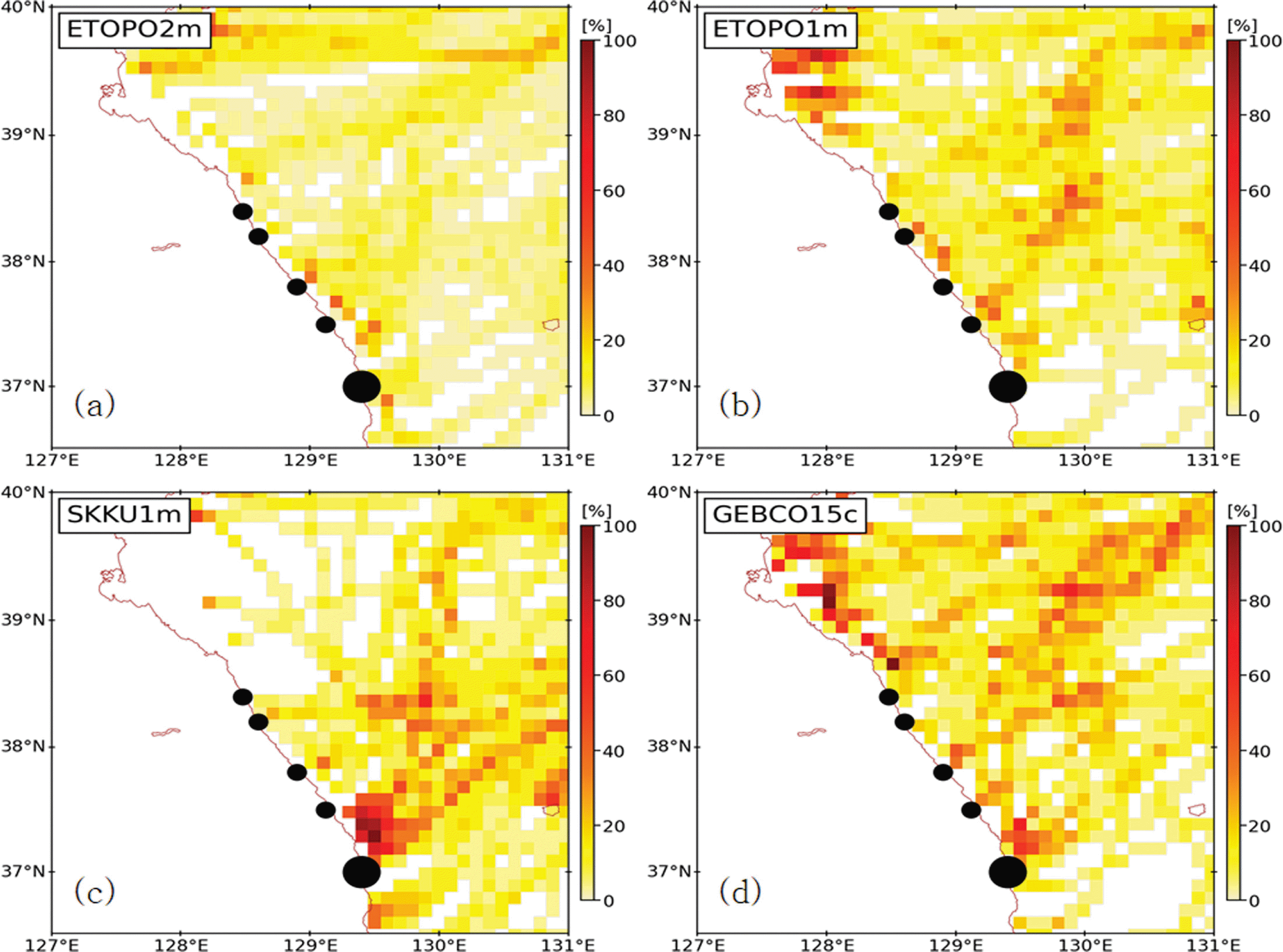
이상과 같이 4가지 수심자료를 이용한 파향선추적모형 결과를 정량적으로 쉽게 비교할 수 있도록 0.1° × 0.1°격자 영역당 파향선의 밀도를 색깔로 나타내었다(Fig. 7). 파향선의 밀도는 각각의 격자 영역당 파향선의 노드 개수를 최대 개수로 나누어 일반화하였다. ETOPO2m 과 ETOPO1m 수심의 경우에는 동한만에 많은 에너지가 집중되어 강릉~울진에 상대적으로 낮은 밀도를 확인할 수 있고, SKKU1m의 경우는 울진과 동해 사이에 에너지가 과도하게 집중되는 현상이 나타난다.
또한 GEBCO15c는 전 영역에서 밀도가 비교적 고르게 분포함을 확인할 수 있고 강원도 주요 5개 지역에 높은 집중현상과 함께 울진 지역에 가장 높은 밀도 분포를 보여 사료에 부합하고 있다. 따라서, 이번 연구에서는 GEBCO15c 수심을 이용한 결과가 가장 적합한 것으로 판단된다.
지금까지 모형 결과를 통해 확인한 바와 같이 수심 자료의 해상도와 특성에 따라 파향선의 전파 형태나 집중 현상도 많은 차이가 발생함을 확인할 수 있었다. 이처럼 어떤 수심 자료를 선택하느냐에 따라 모형 산출 결과가 달라질 수 있으므로 향후 수심 자료 선택 시 신중한 고려가 필요할 것으로 생각된다. 또한, 모형 결과의 정확도를 높이기 위해서는 그 기반이 되는 수심 자료가 정확해야 함을 다시 한번 상기시켜 주는 부분이기도 하다. 따라서, 보다 정확한 수심 자료 획득과 해상도 향상을 위한 노력은 앞으로도 지속 되어야 할 필요가 있을 것이다.
다음 장에서는 조선왕조실록에 기록된 내용과 가장 양호한 일치를 보여주고 있는 GEBCO15c 수심 자료를 이용한 모형 결과를 좀 더 세부적으로 살펴보기로 한다.
5.2.2 GEBCO15c 수심 자료를 이용한 모형 결과와 지형에 따른 전파 영향
일본 오시마섬 근해에서 발생한 지진해일은 대화퇴(Yamato Rise)로 인한 얕은 수심의 영향으로 그 북쪽과 남쪽의 상대적으로 깊은 수심을 거쳐 전파되는 경로와 대화퇴 상부를 직접 가로질러 전파되는 형태 등 다양한 경로를 통해 한반도 동해안에 도달한다. 한반도 동해안 북부해역에 집중되는 파들은 주로 대화퇴 밖의 북쪽 해역을 거쳐 전파된 것이며, 이 중 한국대지 부근에서 남서쪽으로 굴절되는 파들은 경북 울진 이남까지도 도달한다. 또한, 대화퇴 상부를 가로질러 굴절되거나 대화퇴 남쪽 해역을 거쳐 울릉분지(Ulleung Basin) 북단의 얕은 수심쪽으로 굴절되는 파들도 동해안 주요 5개 지역에 도달하는 것을 확인할 수 있는데, 이는 통상 대화퇴로 인한 렌즈효과로 알려져 있다.
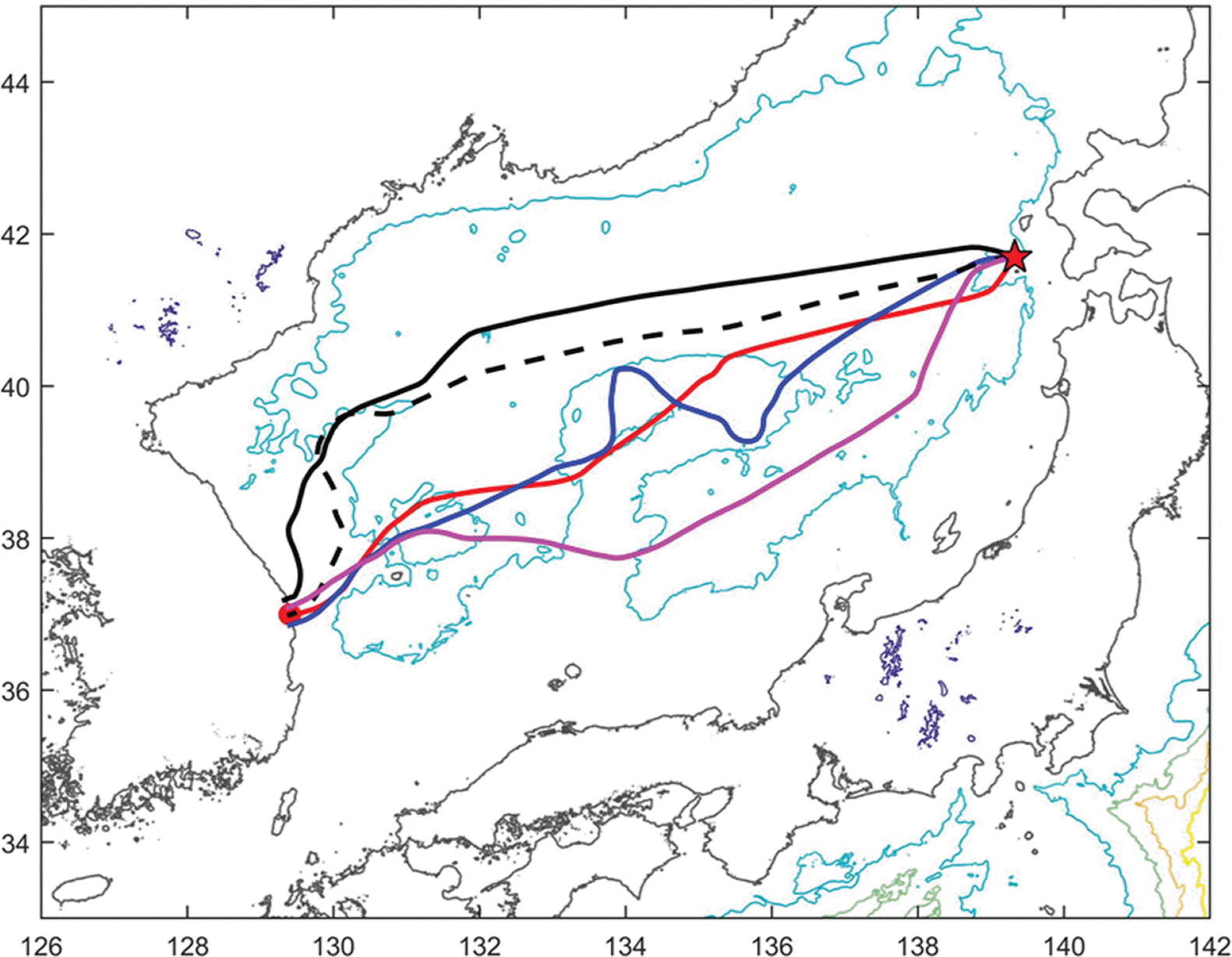
동해안 5개 지역 중 주요 관심 지역인 경북 울진에 도달하는 쓰나미 파의 이동 경로를 좀 더 세부적으로 살펴보면 Fig. 8과 같다. 먼저, 가장 빠르게 도달하는 쓰나미 경로는 대화퇴 영역 중에서도 가운데의 깊은 수심 상부를 가로질러 거의 굴절 없이 전파되는 것으로 전파 소요 시간은 2시간 11분이었고(Fig. 8의 빨간색 실선), 가장 느리게 도달하는 경로는 대화퇴 부근에서 남북으로 굴절되어 전파된 것으로 2시간 53분이 소요되어(파란색 실선) 그 시간 차이는 42분에 달한다. 또, 대화퇴 북쪽의 깊은 수심 영역을 거쳐 한국대지 부근에서 남서쪽으로 굴절되어 전파하는 파는 각각 2시간 20분(검정색 실선)과 2시간 21분(검정색 점선)이 소요되었다. 그리고, 대화퇴 남쪽의 깊은 수심 영역을 거쳐 전파하는 파는 2시간 23분이 소요되었다(자주색).
이렇게 다양한 경로를 통해 전파되는 쓰나미의 제1파가 도달하는 시간을 요약하면 <Table 1>과 같다. 울진 지역에 도달하는 시간은 2시간 11분, 동해시는 2시간 10분, 강릉 1시간 56분, 속초와 고성은 모두 1시간 49분이 소요되었다. 오시마섬의 화산 폭발이 가장 크게 발생한 시간은 1741년 8월 29일 새벽 5시경으로 알려져 있다(Satake, 2007). 따라서, 해당 시간을 기준으로 동해안의 주요 지역에 쓰나미가 도달한 시간을 산출해보면 07:00 전후일 것으로 추정된다. 8월 29일에 발생한 쓰나미가 경북 울진에 도달한 시간은 아침 7시경이므로 여름철의 이른 일출 시간을 고려하면 대부분 활동을 하고 있을 시간대였을 것으로 판단된다. 쓰나미가 도달한 시간이 모두가 잠든 한 밤중이나 이른 새벽이 아닌, 날이 훤히 밝은 이후였으므로 쓰나미 현상의 육안 확인이 가능했을 것으로 보인다. 이러한 이유로 조선왕조실록에 “바다가 편편해졌다가 7, 8차례의 해일이 넘나들었다”라는 비교적 상세한 정보가 기록될 수 있었던 것으로 판단된다.
과거 한반도 동해안에 피해를 준 지진해일 중 1983년 5월 26일 일본 아키다현 근해에서 발생한 쓰나미의 평균 주기는 8~12분, 1993년 7월 12일 일본 홋카이도 오쿠시리섬 근해에서 발생한 쓰나미의 평균 주기는 5~10분으로 알려져 있다(https://weather.go.kr). 따라서, 해일이 7, 8차례나 넘나들었다는 기록을 통해 볼 때 쓰나미의 주기를 약 10분 정도로 가정하더라도 당시의 해일은 1시간 이상 지속 되었을 것으로 추정된다. 또한, 당시의 해일고는 약 3~4 m에 이르고 그 중에서도 울진 지역이 4 m로 가장 높았을 것으로 추정되는데(Satake, 2007), 당시 동해안의 세부적인 해일고 현황은 후속연구 결과를 통해 제시할 예정이다.
6. 요약 및 결론
지금까지 조선왕조실록에 기록된 1741년 해일 피해 사례는 일본 역사서에도 동시에 등장하는 지진해일이 원인이었음을 언급한 논문은 있었으나(박선영 등, 2014), 해당 지진해일상황에 대해 한반도 동해안을 중심으로 세부적으로 정리하고 기술한 연구는 부족하였다. 자세한 역사적 기록이 남아 있지않은 아쉬움으로 인해 진앙의 위치를 정확히 확인할 수 없어 많은 논란이 되어왔던 것도 사실이다. 그러던 중 최근 수심관측을 통해 보다 정확한 쓰나미 발생 원인과 위치가 확인되었고(Satake, 2007), 다수의 역사 기록과 연구 결과는 당시의 쓰나미 규모가 1993년 오쿠시리섬 북서쪽에서 발생한 쓰나미 이상으로 강력하였음을 말해주고 있다. 이번 연구에서는 조선왕조실록에 기록된 1741년 8월 29일의 쓰나미에 대한 간략한 기록의 실마리에서 출발하여 당시의 상황을 최대한 구체적으로 살펴보고 정리해 보고자 하였다.
당시 쓰나미는 일본 홋카이도 남서쪽 무인도인 오시마섬에서 발생한 대규모 산채 붕괴가 해양내 교란을 일으켜 발생 되었다는 연구를 근거로 쓰나미 발생원점을 오시마섬 북쪽으로 설정하여 파향선 추적모형 실험을 수행하였다. 데이터 소스 및 해상도가 서로 다른 네 개의 수심 자료(ETOPO2m, ETOPO1m, SKKU1m, GEBCO15c)를 이용한 모형실험 결과, 수심의 특성에 따라 쓰나미 파향선의 이동 경로와 에너지의 집중성도 많이 달라짐을 확인할 수 있었다. 그 중 해상도가 가장 높은 GEBCO15c 수심 자료를 이용한 모형 결과가 역사 기록에 등장하는 쓰나미 피해 사례를 가장 잘 설명하는 것으로 확인되었다. 오시마섬에서 큰 화산폭발이 1741년 8월 29일 05:00시에 있었다는 기록을 근거로 추산해 보면 쓰나미의 제1파가 한반도 동해안에 도달한 시간은 약 07:00시 경이며, 당시의 계절이 여름임을 감안하면 일출이 훨씬 지난 시간이므로 쓰나미가 밀려오는 상황이 육안으로 잘 확인되었을 것으로 추정된다. 또한, 쓰나미가 동해안으로 이동하는 경로는 크게 대화퇴 북쪽과 남쪽의 깊은 수심 영역을 거쳐 도달하는 경로와 대화퇴 상부를 직접 가로질러 도달하는 경로로 나눌 수 있는데, 대화퇴 상부를 가로질러 굴절 없이 전파하는 경우가 소요 시간이 가장 짧았으나, 대화퇴 상부에서 남북 방향으로 굴절할 경우에는 대화퇴 북쪽과 남쪽의 깊은 수심 영역을 통해 전파하는 경우보다 오히려 더 많은 시간이 소요됨을 확인할 수 있었다.
한반도 동해안은 과거 조선 시대의 기록과 1900년 이후의 지진해일 피해사례 등을 통해 확인된 바와 같이 지진해일의 안전지대라고 할 수는 없다. 약 3~4 m 규모의 해일이 연안에 닥치면 흘수가 낮은 어선이나 보조정들의 큰 피해와 연안의 침수 등 막대한 재산과 인명피해를 피할 수 없을 것이다. 이러한 피해를 예방하기 위해 최근 강원도 삼척항에는 3.5 m 규모의 지진해일 피해 예방을 위한 침수방지시설이 들어설 예정이라는 언론 보도가 있었다(https://www.yna.co.kr/view/AKR20200915076400062).
이번 연구를 통해 역사적인 쓰나미 사례를 잘 정리하고 기록하는 것이 후세와 향후 연구를 위해 얼마나 중요한지 다시 한번 느낄 수 있었다. 역사적인 기록이 부족한 상황에서 당시의 상황을 재정리하고, 과학적인 시뮬레이션을 통해 1741년 8월 29일 당시 쓰나미 상황을 재현해보고자 노력한 것에 의미와 가치가 있다고 판단되며, 이번 연구를 계기로 앞으로 더 많은 후속 연구가 이어지기를 기대해본다. 또한, 파향선추적모형은 쓰나미 전파 시간을 빠르게 산정할 수 있는 장점이 있는 반면, 지형조건에 과도하게 종속되어 그 결과가 달라질 수 있고, 해일고를 산정할 수 없는 단점이 있으므로 향후 연구시 적절한 수치모형을 병행한 연구가 필요할 것이다.